Electromagnetic Compatibility (EMC) is an important requirement for modern battery systems, especially lithium battery packs, LiFePO4 batteries, energy storage batteries, and custom battery solutions.
A battery system with good EMC performance can operate reliably in complex electromagnetic environments while minimizing interference with other electronic devices.
What Is EMC?
Electromagnetic Compatibility (EMC) refers to the ability of electrical and electronic equipment to work properly in its electromagnetic environment without causing unacceptable electromagnetic interference.
EMC includes two key aspects:
- Electromagnetic Interference (EMI): Preventing the battery system from generating excessive electromagnetic noise.
- Electromagnetic Immunity (EMS): Ensuring the battery system can withstand external electromagnetic disturbances.
Simply speaking:
EMI means the battery should not disturb other devices.
EMS means the battery should not be easily affected by other devices.
Why Do Battery Systems Need EMC?
Modern battery systems contain not only battery cells but also electronic components such as:
- Battery Management System (BMS)
- Protection Circuit Module (PCM)
- Charging circuits
- DC-DC converters
- Communication interfaces
During charging and discharging, these components may generate electromagnetic noise due to high-frequency switching and current changes.
Poor EMC performance may lead to:
- Incorrect battery monitoring
- Communication failures
- Protection system errors
- Reduced system reliability
Therefore, EMC design is essential for lithium-ion batteries, LiFePO4 battery packs, industrial batteries, and energy storage systems.
Common EMC Tests for Battery Packs
EMI Tests (Electromagnetic Interference)
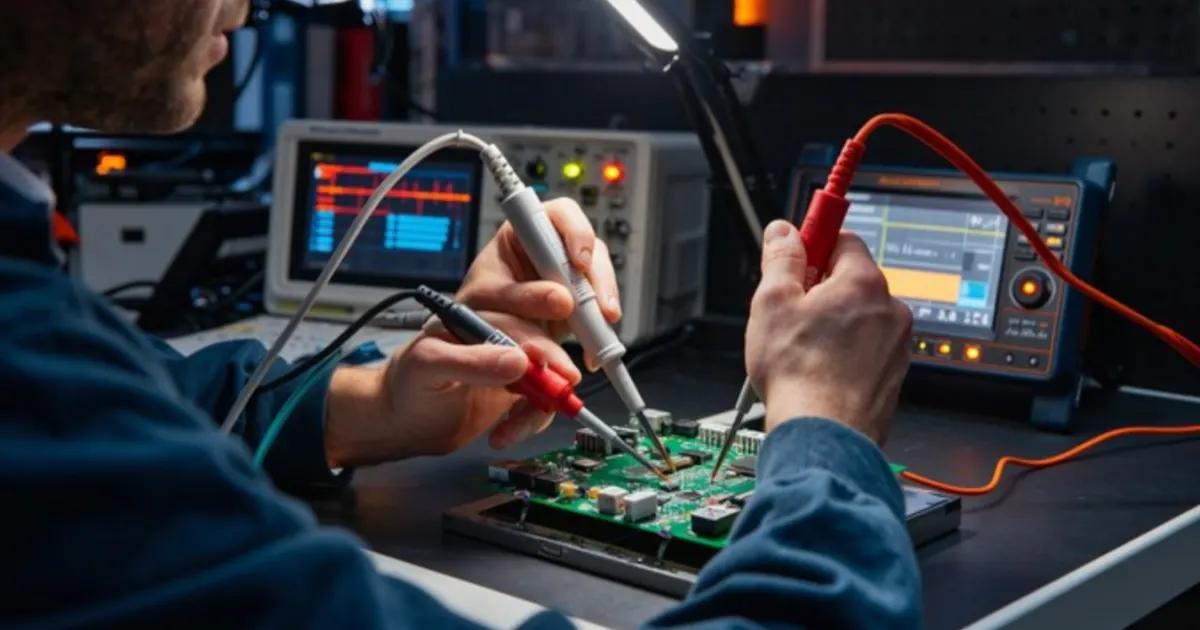
EMI testing evaluates whether a battery system generates excessive electromagnetic emissions.
Common tests include:
- Conducted Emission (CE): Measures interference through power or signal cables.
- Radiated Emission (RE): Measures electromagnetic radiation from the battery system.
- Transient Emission: Tests high-speed electrical disturbances.
EMS Tests (Electromagnetic Immunity)
EMS testing verifies whether a battery system can operate normally under external electromagnetic interference.
Common tests include:
- ESD (Electrostatic Discharge)
- EFT (Electrical Fast Transient)
- Surge Immunity
- Radiated Immunity
How to Improve Battery EMC Performance?
Battery manufacturers usually improve EMC performance through:
1. Optimized PCB and Grounding Design
Proper grounding and PCB layout can reduce electromagnetic noise and improve system stability.
2. EMI Filtering
Common solutions include:
- Common mode inductors
- LC filters
- TVS protection devices
These components help reduce interference and protect electronic circuits.
3. Shielding Design
Metal housings, shielding structures, and optimized wiring can reduce electromagnetic radiation.
Battery EMC in Future Applications
With the increasing use of:
- Electric vehicles
- Renewable energy storage
- Solar power systems
- Industrial equipment
- IoT devices
EMC requirements for battery systems are becoming more important.
Early EMC design helps battery manufacturers improve reliability, pass certification requirements, and reduce development costs.
Conclusion
Battery EMC is a critical part of battery system development, including design, testing, and certification.
For lithium battery packs, LiFePO4 batteries, and custom battery solutions, proper EMC design ensures safer operation, better reliability, and compliance with global market requirements.
For professional custom battery pack design and OEM battery solutions, LNC Batteries provides reliable lithium battery cells, LiFePO4 battery packs, and energy storage battery solutions for industrial, commercial, and IoT applications.