
The storage condition of a lithium battery has a significant impact on its long-term performance and service life.
Even when a battery is not being used, internal chemical reactions continue slowly. Improper storage conditions, especially high temperature and high state of charge (SOC), can accelerate battery aging and reduce available capacity.
For lithium-ion batteries and LiFePO4 batteries, proper storage management is essential to maintain battery reliability and extend shelf life.
How Does Lithium Battery Storage Affect Battery Life?
Battery aging during storage is mainly influenced by:
- Storage temperature
- State of Charge (SOC)
- Storage duration
- Battery chemistry
High temperature and high SOC accelerate side reactions inside the battery, causing:
- Capacity loss
- Increased internal resistance
- Reduced cycle performance
- Shorter battery lifespan
Recommended Storage Conditions for Lithium Batteries
For most lithium battery applications, recommended storage conditions are:
| Parameter | Recommended Condition |
|---|---|
| Storage Temperature | 15℃–25℃ |
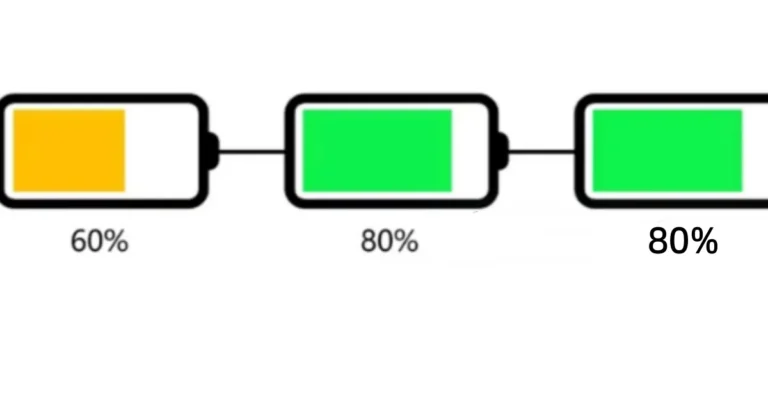
| Storage SOC | 40%–60% |
| Storage Environment | Dry, ventilated, away from direct sunlight |
| Long-Term Storage | Regular inspection and recharge if necessary |
Keeping batteries at a medium charge level reduces stress on the electrodes and helps maintain long-term capacity.
Why Does Temperature Affect Battery Storage Life?
Temperature has a strong impact on battery chemical stability.
High Temperature Storage
When lithium batteries are stored at high temperatures:
- Electrolyte decomposition increases
- SEI (Solid Electrolyte Interphase) layer grows faster
- Internal resistance increases
- Available capacity decreases
This is why batteries stored in hot environments, such as vehicles or outdoor equipment, may experience faster aging.
Low Temperature Storage
Low temperatures generally slow down chemical reactions, but extremely cold environments may affect:
- Battery charging performance
- Lithium-ion movement
- Battery output capability
Why Should Lithium Batteries Avoid Long-Term Full Charge Storage?
Storing lithium batteries at 100% SOC for a long period increases chemical stress inside the cells.
For long-term storage, a medium SOC level is preferred because it provides a better balance between:
- Capacity retention
- Battery safety
- Chemical stability
This is especially important for:
- Energy storage batteries
- Solar battery systems
- Electric vehicle batteries
- Industrial battery packs
Battery Storage Tips for Different Applications
Energy Storage Systems
- Store batteries in a controlled temperature environment
- Maintain appropriate SOC during transportation and storage
- Avoid prolonged exposure to heat
Electric Vehicles
- Avoid leaving the battery fully charged for extended periods
- Park in shaded or temperature-controlled areas when possible
Portable Devices and Tools
- Charge batteries to a medium level before long-term storage
- Keep batteries away from moisture and extreme temperatures
How Battery Manufacturers Improve Storage Performance?
Battery manufacturers improve storage life through:
- Advanced electrode materials
- Improved electrolyte formulas
- Stable SEI layer design
- Optimized Battery Management Systems (BMS)
These technologies help lithium batteries maintain better capacity retention during storage.
Conclusion
Lithium battery storage life depends not only on battery chemistry but also on storage conditions.
Proper temperature control and suitable SOC management can significantly reduce battery aging and extend service life.
For lithium battery packs, LiFePO4 battery packs, and custom battery solutions, professional battery design and proper storage management are essential for reliable long-term performance.
For more information about our custom lithium battery solutions and battery pack services, please visit LNC batteries.