Introduction
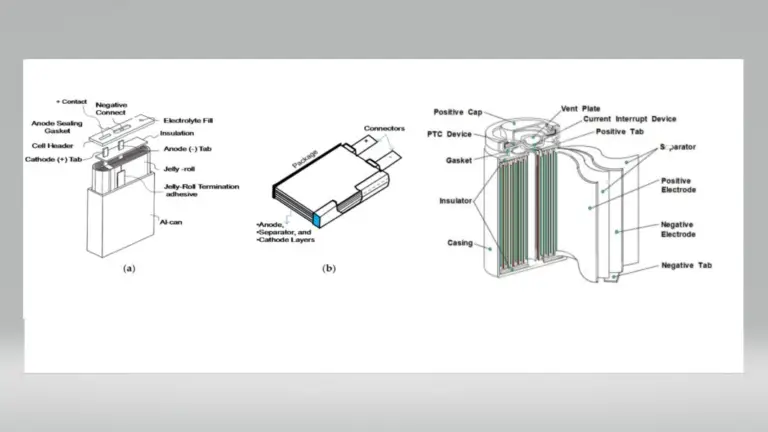
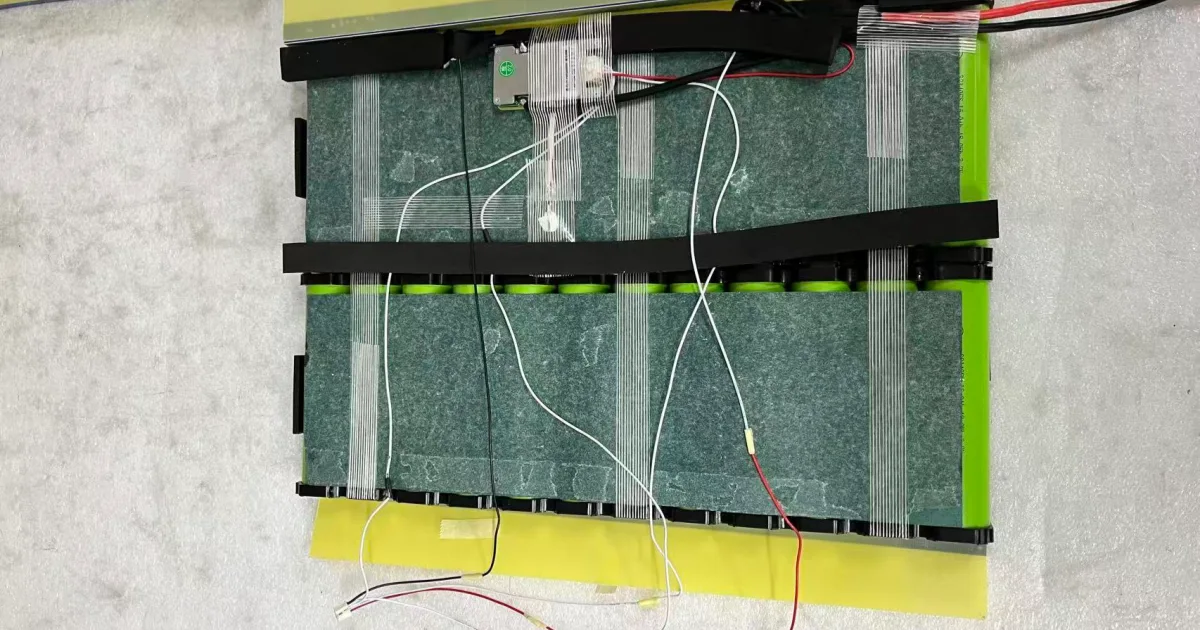
Open almost any lithium battery pack — including EV batteries, energy storage systems, and 18650 battery packs — and you will often find a thin brown insulating sheet around the cells, terminals, protection board, and cell gaps.
This material is commonly called fish paper, also known as battery insulation paper or electrical insulation paper.
Although it looks simple, fish paper plays an important role in lithium battery pack safety.
It helps prevent:
- Short circuits
- Electrical contact between conductive parts
- Abrasion damage
- Creepage risks
- Insulation failures caused by vibration
For cylindrical battery packs such as 18650 and 21700 battery packs, proper insulation design is a key part of reliable PACK manufacturing.
1. Three Key Functions of Fish Paper in Battery PACKs
1.1 Protecting the Positive Terminal
Cylindrical lithium cells have:
- A raised positive terminal
- A metal outer shell as the negative electrode
During battery assembly, nickel strips are welded to the cell terminals.
However, vibration, welding burrs, or mechanical movement may create a risk of accidental contact between positive and negative parts.
A small fish-paper washer around the positive terminal provides an additional insulation barrier between:
- Positive terminal
- Nickel strips
- Battery holders
- Metal brackets
- Wires
This simple component significantly reduces short-circuit risk.
1.2 Insulating the BMS and Cell Surface
A battery pack usually contains a:
Battery Management System (BMS)
The PCB may include:
- Solder joints
- Copper traces
- MOSFET terminals
- Connector pins
If the PCB directly contacts the cell surface, long-term vibration may damage the cell insulation sleeve.
Fish paper provides a rigid insulation layer between:
- PCB and battery cells
- Conductive parts and metal cell cans
This helps improve long-term reliability.
1.3 Preventing Cell-to-Cell Contact
Battery packs experience:
- Vibration
- Shock
- Temperature changes
- Mechanical stress
Insulation materials help maintain safe separation between:
- Cells
- Nickel strips
- Busbars
- Metal structures
- Other conductive components
The purpose is not only separation, but maintaining a stable insulation barrier throughout the battery life cycle.
2. What Is Fish Paper Made Of?
Despite the name, fish paper is not ordinary paper.
It is a specialized electrical insulation material designed for battery and electrical applications.
Depending on the grade, it may contain processed cellulose fibers and other treatments to improve:
- Dielectric strength
- Mechanical strength
- Temperature resistance
- Abrasion resistance
- Dimensional stability
When selecting fish paper, engineers should check:
- Thickness
- Insulation voltage rating
- Temperature range
- Mechanical strength
- Moisture resistance
- Chemical compatibility
Different fish paper products may have different performance.
3. How Does Fish Paper Provide Electrical Insulation?
Electrical insulation works by preventing free movement of electrical charges.
In battery PACKs, fish paper creates a physical and dielectric barrier between:
- Positive terminal and negative structure
- PCB and cell surface
- Nickel strip and cell can
- Busbar and metal enclosure
The key advantage is not that it is “paper.”
The advantage is that it is an engineered insulation material with suitable electrical and mechanical properties.
4. Why Not Use Ordinary Tape or Plastic Film?
Many materials can provide insulation, but battery PACKs require more than simple separation.
The material must also handle:
- Heat
- Vibration
- Mechanical pressure
- Long-term aging
Adhesive Tape
Possible problems:
- Softening at high temperature
- Adhesive aging
- Loss of strength
- Residue after aging
Plastic Film
Plastic films such as PET or PVC are also widely used in battery packs.
However, engineers must consider:
- Temperature resistance
- Mechanical strength
- Flame characteristics
- Long-term durability
Ordinary Paper
Normal paper is not suitable for lithium battery insulation because:
- It absorbs moisture
- It has unstable mechanical properties
- It is not designed for electrical insulation
5. Fish Paper in 18650 and 21700 Battery Packs
Cylindrical battery packs commonly use fish paper in several locations:
Positive Terminal
Circular insulation washers prevent accidental contact around the positive cap.
Between Cells
Insulation sheets reduce the risk of conductive contact.
BMS Area
Fish paper protects the PCB from contacting cell surfaces.
Nickel Strip Area
It helps prevent damage caused by sharp edges or welding points.
For custom battery packs, insulation design should be considered together with:
- Cell arrangement
- Current level
- Voltage
- Mechanical structure
- Operating environment
6. Fish Paper Is Only One Part of Battery Safety
A safe lithium battery pack does not rely on one material.
A complete safety system includes:
Electrical Protection
- BMS
- Overcharge protection
- Over-discharge protection
- Overcurrent protection
- Short-circuit protection
Mechanical Protection
- Cell holders
- Spacers
- Enclosures
- Structural support
Thermal Protection
- Temperature monitoring
- Thermal design
- Proper cell spacing
Insulation System
- Fish paper
- PET film
- Polyimide film
- Heat shrink tubing
- Insulation barriers
The goal is to control every possible failure path.
7. Fish Paper vs Other Battery Insulation Materials
| Material | Main Application | Advantages |
|---|---|---|
| Fish Paper | Terminal insulation, PCB protection | Good insulation and mechanical strength |
| PET Film | Cell wrapping and barriers | Thin, strong, reliable |
| Polyimide Film | High-temperature areas | Excellent thermal resistance |
| PVC Heat Shrink | External insulation | Flexible and easy processing |
| Plastic Parts | Cell holders and structures | Strong mechanical protection |
No insulation material is perfect for every location.
The correct choice depends on:
- Voltage
- Temperature
- Mechanical stress
- Application requirements
8. Common Battery Pack Insulation Failures
Many insulation problems are caused by design or assembly issues.
Common failures include:
- Insulation damaged by sharp metal edges
- Incorrect positioning
- Insufficient insulation thickness
- Mechanical vibration damage
- Thermal aging
- Metal particle contamination
- Poor welding quality
Therefore, battery PACK quality control is as important as material selection.
9. Why Fish Paper Remains Widely Used in Lithium Battery PACKs
Fish paper is popular because it combines:
- Electrical insulation
- Mechanical durability
- Abrasion resistance
- Good processability
- Stable performance
It is widely used in:
- 18650 battery packs
- 21700 battery packs
- Power tool batteries
- E-bike batteries
- Portable power stations
- UPS batteries
- Energy storage systems
- Industrial battery packs
Conclusion
Fish paper may look like a small and simple component, but it plays an important role in lithium battery safety.
Its main functions include:
- Preventing accidental short circuits
- Protecting cylindrical cell positive terminals
- Insulating BMS and conductive components
- Reducing abrasion and mechanical damage
- Improving long-term PACK reliability
However, fish paper is not the only safety solution.
A reliable lithium battery pack requires a complete design including:
- Proper cell selection
- BMS protection
- Mechanical structure
- Thermal management
- Insulation system
At LNC Battery, we provide customized lithium battery solutions including 18650 battery packs, 21700 battery packs, LiFePO4 battery packs, and industrial energy storage batteries.