In lithium battery systems, especially EV battery packs and energy storage systems (ESS), battery cell consistency is one of the most important factors affecting performance, lifespan, and safety.
A battery system is usually composed of hundreds or even thousands of individual cells connected in series and parallel. Although cells may come from the same production batch, small differences in capacity, internal resistance, voltage, and temperature characteristics are unavoidable.
These differences are known as battery cell inconsistency.
While a single battery cell may work normally, inconsistency becomes a serious issue when many cells are combined into a large battery system.
What Is Battery Cell Consistency?
Battery cell consistency refers to the similarity of key electrical and thermal characteristics between individual cells.
Important consistency parameters include:
- Capacity consistency
- Voltage consistency
- Internal resistance consistency
- Self-discharge rate consistency
- Temperature performance consistency
For battery PACK and energy storage applications, cells with better consistency can work together more efficiently and achieve longer system life.
However, during manufacturing and long-term operation, cell differences gradually increase.
A weaker cell usually becomes weaker faster, causing the performance gap inside the battery system to continue growing.
How Does Cell Inconsistency Affect Battery Systems?
1. Reduced Available Capacity
One of the biggest problems caused by cell inconsistency is capacity loss.
In a battery PACK, cells are often connected in series to increase voltage.
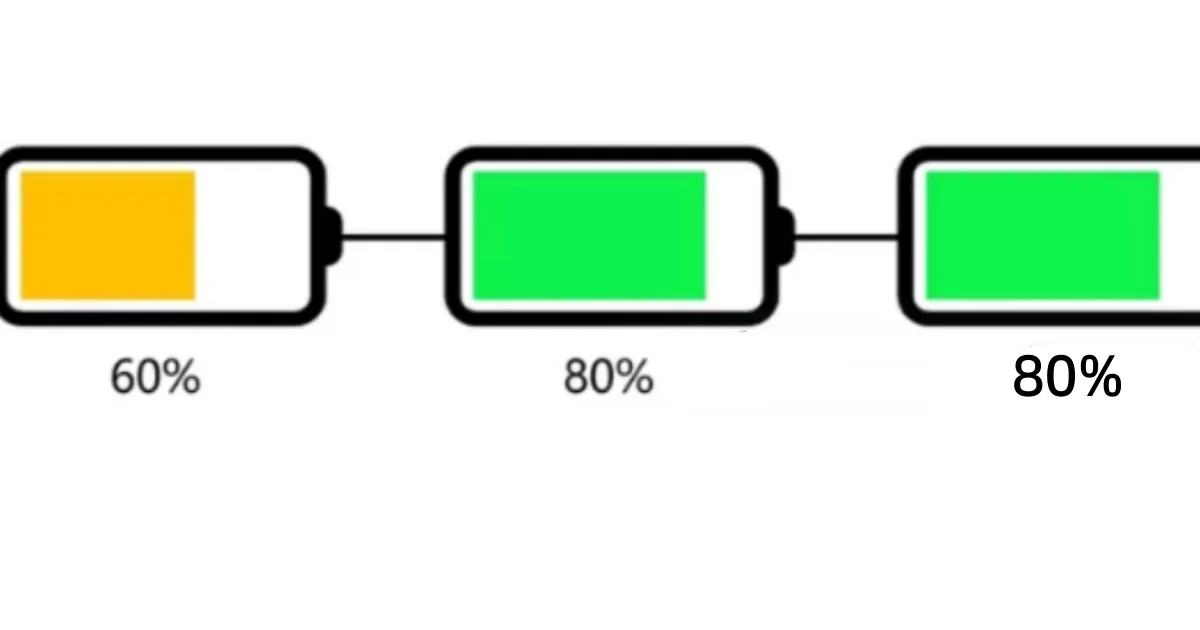
When cells with different capacities are connected together, the charging and discharging process is limited by the weakest cell.
For example:
During charging:
- A lower-capacity cell reaches full charge earlier.
- The BMS must stop charging to protect this cell.
- Other cells may not be fully charged.
During discharging:
- A weaker cell reaches the minimum voltage first.
- The BMS stops discharge to prevent over-discharge.
- Remaining cells still contain usable energy.
As a result, the total battery system cannot fully utilize its designed capacity.
This is why a battery pack may have many cells with sufficient capacity, but the actual usable energy is lower than expected.
2. Faster Battery Aging
Cell inconsistency also accelerates battery degradation.
One of the most important factors affecting lithium battery life is temperature.
When cells have different internal resistance values, heat generation becomes uneven during charging and discharging.
Cells with higher resistance generate more heat:
Higher resistance → More heat → Faster aging → Larger performance difference
This creates a cycle where weak cells continue to deteriorate faster than healthy cells.
In large energy storage systems, uneven temperature distribution can significantly reduce:
- Cycle life
- Available capacity
- System reliability
3. Increased Safety Risks
Poor battery consistency can also increase safety risks.
When individual cells operate under different conditions:
- Some cells may experience overcharge earlier.
- Some cells may reach over-discharge conditions sooner.
- Local temperature differences may increase.
Without effective battery management, these differences can create additional stress on certain cells.
Therefore, maintaining good cell consistency is an important part of battery safety design.
Why Does Battery Cell Inconsistency Happen?
Cell inconsistency comes from both manufacturing processes and operating conditions.
Manufacturing Differences
During cell production, small variations may occur in:
- Electrode coating thickness
- Material distribution
- Electrolyte filling
- Internal structure
- Assembly accuracy
Even cells produced on the same production line may have slightly different characteristics.
This is why battery manufacturers perform:
- Capacity grading
- Voltage sorting
- Internal resistance testing
- Cell matching
before cells are assembled into battery PACKs.
Operating Conditions
During actual use, inconsistency can become larger due to:
- Different temperatures inside the battery system
- Uneven cooling
- Different current distribution
- Aging differences
- Charging and discharging habits
Large battery systems require careful thermal management and battery control strategies to reduce these effects.
How Can Battery Cell Consistency Be Improved?
1. Cell Sorting and Matching
Before PACK assembly, battery cells should be tested and grouped according to:
- Capacity
- Voltage
- Internal resistance
Cells with similar characteristics are matched together to improve long-term consistency.
This process is especially important for:
- EV battery packs
- LiFePO4 energy storage batteries
- High-capacity industrial battery systems
2. Advanced Battery Management System (BMS)
A BMS plays an important role in managing cell differences.
Functions include:
- Cell voltage monitoring
- Temperature monitoring
- Overcharge protection
- Over-discharge protection
- Cell balancing
Active or passive balancing can help reduce voltage differences between cells and improve battery utilization.
3. Better Thermal Management
Temperature consistency is critical for large battery systems.
A good thermal management design helps maintain similar operating conditions between cells.
Solutions may include:
- Air cooling
- Liquid cooling
- Distributed thermal management
- Optimized battery module structure
Reducing temperature differences helps slow down uneven aging.
Battery Cell Consistency in Energy Storage Systems
Energy storage systems usually operate for many years, making consistency especially important.
A high-quality ESS requires:
- Reliable battery cells
- Accurate cell matching
- Effective BMS control
- Proper thermal management
- Long-term monitoring
For large-scale storage projects, even small differences between cells can become significant after thousands of charge and discharge cycles.
Therefore, battery consistency is not only a manufacturing issue but also a complete system engineering challenge.
How Battery Manufacturers Improve Consistency
Professional battery suppliers usually control consistency through multiple stages:
Cell Level
- Strict incoming cell inspection
- Capacity testing
- Internal resistance testing
- Voltage matching
Module Level
- Controlled assembly process
- Reliable welding technology
- Accurate electrical testing
PACK Level
- BMS integration
- Safety protection
- Performance testing
- Aging verification
A complete quality control process helps ensure stable battery performance throughout the product lifecycle.
Conclusion
Battery cell consistency is a key factor that determines the performance, reliability, and safety of lithium battery systems.
In EV batteries and energy storage applications, even small differences between cells can lead to:
- Reduced usable capacity
- Faster aging
- Uneven temperature distribution
- Increased safety risks
Although completely identical cells are impossible, manufacturers can minimize inconsistency through:
- Accurate cell matching
- Advanced BMS technology
- Proper thermal management
- Strict quality control
For reliable battery PACK and energy storage solutions, cell consistency management is one of the foundations of long-term system performance.
Looking for reliable lithium battery cells, LiFePO4 cells, or custom battery PACK solutions? Visit LNC Battery to explore our battery products and customized solutions for EV, energy storage, and industrial applications.