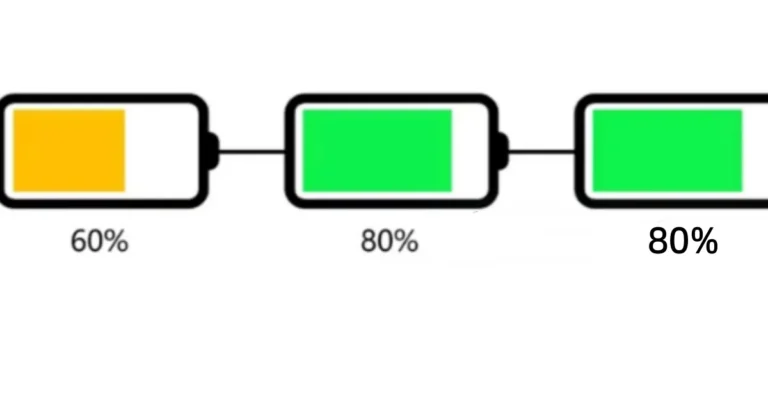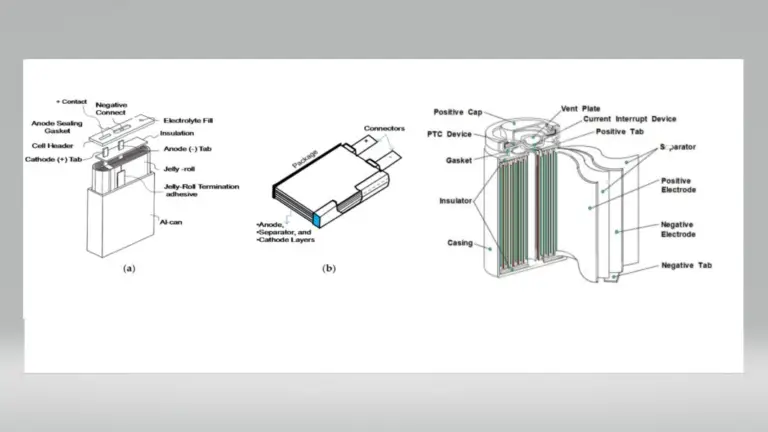
A lithium battery can show 100% charge, but why does it still lose power quickly after use?
Many users experience these problems:
- The battery is fully charged but cannot run far
- Range drops significantly after several months
- The charger indicator keeps switching between charging and full
- The battery becomes hot during operation
- The battery pack loses performance much faster than expected
In many cases, the problem is not the battery capacity itself.
The key reason is often:
Battery cell voltage imbalance.
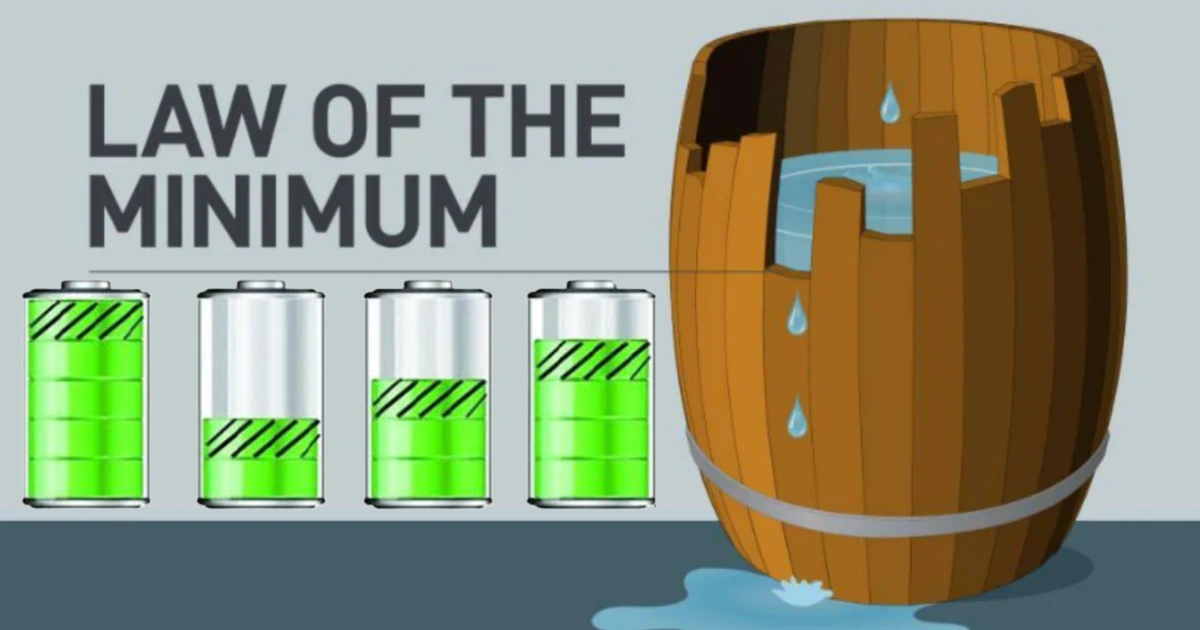
A lithium battery pack is like a wooden barrel.
This is a well-known principle called the Law of the Minimum, which states that the overall performance of a system is limited by its weakest factor.
Similar to the wooden barrel effect, the capacity of a barrel is determined by the shortest board, not the longest one.
The same principle applies to lithium battery packs:
- The highest voltage cell determines the charging limit
- The lowest voltage cell determines the discharge limit
Even if most cells still have sufficient energy, one weaker cell can reduce the performance of the entire battery pack.
This is why a battery can appear fully charged but still cannot provide the expected runtime.
What Is Battery Cell Voltage Difference?
Lithium battery packs are usually made by connecting multiple cells in series and parallel.
Because every battery cell has small differences in:
- Capacity
- Internal resistance
- Self-discharge rate
- Aging condition
the voltage of each cell cannot remain exactly the same.
The difference between the highest and lowest cell voltage is called: Battery cell voltage difference or battery imbalance.
For example, a 4S LiFePO4 battery pack:
| Cell | Voltage |
|---|---|
| Cell 1 | 3.28V |
| Cell 2 | 3.27V |
| Cell 3 | 3.23V |
| Cell 4 | 3.26V |
Highest voltage: 3.28V;Lowest voltage: 3.23V. Battery voltage difference: 0.05V (50mV)
The smaller the voltage difference, the better the battery consistency and stability.
Lithium Battery Voltage Difference Standard
The acceptable voltage difference depends on battery type, application, and battery condition.
The following values are commonly used as a reference for evaluating battery pack consistency:
| Voltage Difference | Battery Condition |
|---|---|
| 0-20mV | Excellent consistency, stable performance |
| 20-50mV | Normal and healthy condition |
| 50-100mV | Early imbalance signs, balancing recommended |
| Above 100mV | Serious imbalance, performance loss may occur |
A large voltage difference usually indicates:
- Poor cell matching
- Different internal resistance
- Uneven capacity
- Aging or damaged cells
Why Does Large Voltage Difference Reduce Battery Performance?
Charging Cannot Fully Charge the Battery Pack
A lithium battery pack follows an important rule:
Charging is limited by the highest voltage cell, while discharging is limited by the lowest voltage cell.
During charging:
The highest voltage cell reaches the upper voltage limit first.
The BMS then stops charging to protect the battery, even though other cells may not be fully charged.
During discharge:
The lowest voltage cell reaches the protection limit first.
The BMS cuts off output, even though other cells still have remaining energy.
This is the main reason why many users experience:
- Battery shows full but does not last long
- Actual capacity is much lower than expected
- Battery shuts down suddenly under load
Battery Heating and Faster Aging
A large voltage difference usually means the cells are working in an unbalanced condition.
During charging and discharging, cells with different resistance and capacity characteristics experience different stress levels.
This can lead to:
- Increased heat generation
- Higher energy loss
- Faster battery degradation
- Shorter cycle life
For high-current applications such as electric vehicles, energy storage systems, and industrial equipment, cell consistency is especially important.
Reduced Power Output Under Heavy Load
When a battery pack has a large voltage difference, the weakest cell limits the whole system.
Common symptoms include:
- Voltage drops quickly during acceleration
- Electric vehicles lose climbing power
- Inverters trigger low-voltage protection
- High-power equipment shuts down unexpectedly
This is another example of the Law of the Minimum in lithium batteries.
The overall performance is limited by the weakest cell.
Why Does Battery Voltage Imbalance Happen?
Poor Cell Matching
Battery cells should be properly matched before assembly.
Important parameters include:
- Voltage
- Internal resistance
- Capacity
Mixing cells with different characteristics can quickly create imbalance.
Poor Connection Quality
Loose connections, poor welding, or inconsistent contact resistance can cause uneven current distribution.
Over time, this increases voltage difference between cells.
Uneven Temperature
Temperature differences inside a battery pack can accelerate cell aging.
Cells operating at higher temperatures usually degrade faster, increasing imbalance.
Good thermal design is important for long-term battery reliability.
Lack of Effective Balancing
A BMS with balancing function can correct small voltage differences.
However, severe imbalance usually requires additional balancing or cell inspection.
How to Fix Battery Cell Voltage Difference?
Passive Balancing
Passive balancing uses resistors to discharge higher-voltage cells.
Advantages:
- Simple structure
- Low cost
- Reliable
Suitable for:
Small voltage differences and routine battery maintenance.
Active Balancing
Active balancing transfers energy from higher-voltage cells to lower-voltage cells.
Advantages:
- Faster balancing speed
- Higher efficiency
- Better for large battery packs
Suitable for:
- Energy storage systems
- Large-capacity battery packs
- High-performance applications
If the voltage difference becomes extremely large, the battery pack may require:
- Cell testing
- Battery inspection
- Replacement of damaged cells
How to Prevent Battery Voltage Imbalance?
Good battery design and manufacturing processes are the foundation of long-term stability.
| Method | Purpose |
|---|---|
| Cell matching before assembly | Ensure similar capacity, voltage, and resistance |
| Proper welding and connection | Reduce contact resistance |
| Suitable BMS selection | Provide protection and balancing |
| Good thermal design | Reduce temperature differences |
| Avoid overload operation | Reduce battery stress |
For battery manufacturers and pack assemblers, cell selection and consistency control are critical steps to ensure reliable battery performance.
Conclusion
Battery cell voltage difference is one of the most important indicators of lithium battery pack health.
A lithium battery pack follows the Law of the Minimum:
The weakest cell determines the performance of the entire battery pack.
Small voltage differences mean:
- Better cell consistency
- Longer cycle life
- More stable performance
Large voltage differences can cause:
- Reduced range
- Faster voltage drop
- Heating problems
- Early BMS protection
For reliable lithium battery packs, proper cell matching, accurate assembly, and a suitable BMS are essential.
LNC Battery provides customized lithium battery solutions, including battery cell selection, BMS integration, and OEM/ODM battery pack design for different applications.