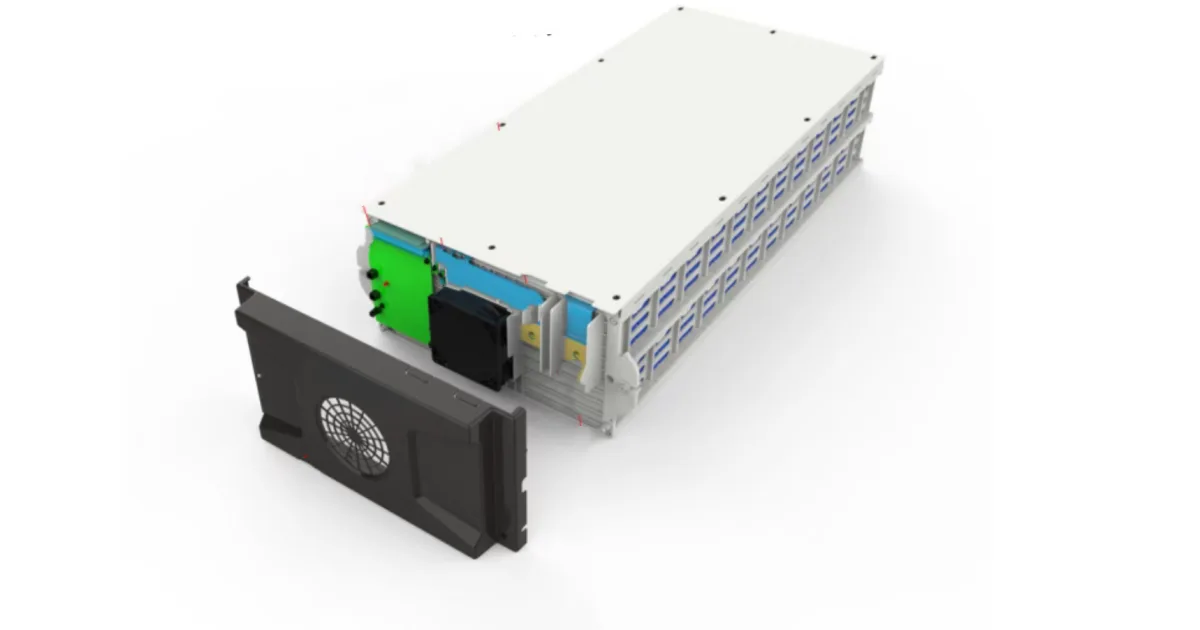
As lithium battery applications continue to expand in electric vehicles, energy storage systems, industrial equipment, and smart devices, the performance and safety requirements for battery modules and PACKs are becoming increasingly strict.
A reliable lithium battery PACK requires not only high-quality battery cells but also a complete manufacturing and testing process. Through systematic inspections and performance tests, manufacturers can ensure that every battery pack meets safety, reliability, and application requirements.
This article introduces the key testing processes in a lithium battery PACK production line.
1. Visual Inspection and Assembly Check
Before electrical testing, every battery module and PACK needs to undergo a complete visual inspection.
The inspection mainly includes:
- Checking the battery enclosure for scratches, deformation, cracks, or other physical damage.
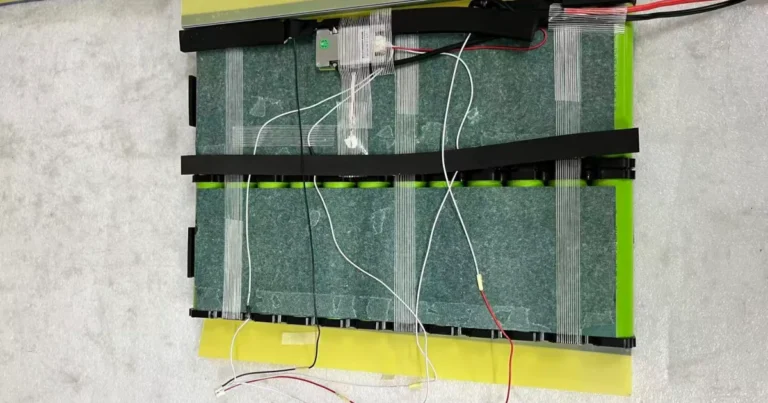
- Confirming that screws, brackets, and fixing structures are properly assembled.
- Checking connectors, terminals, and cables to ensure reliable electrical connections.
- Verifying product labels, model numbers, voltage, capacity, and serial numbers.
A proper assembly inspection helps prevent problems caused by mechanical damage, poor connections, or incorrect assembly during operation.
2. Electrical Performance Testing
Electrical testing is one of the most important steps in battery PACK quality control. It evaluates whether the battery pack meets the designed electrical specifications.
Voltage Testing
The test measures:
- Total PACK voltage
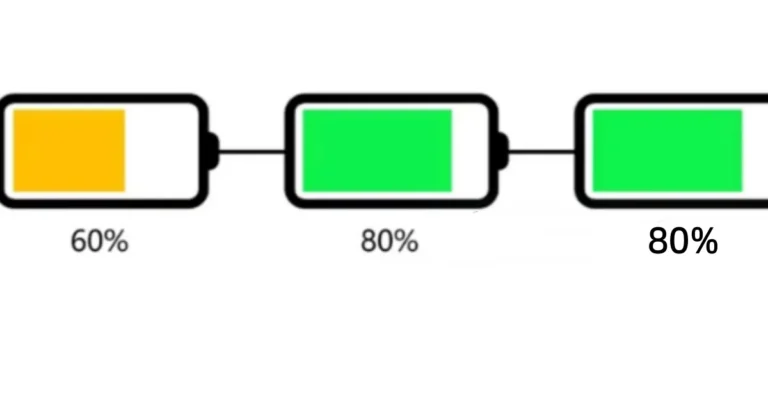
- Individual cell voltage consistency
- Voltage stability during operation
Balanced cell voltage is essential for battery safety and long cycle life.
Current Testing
The battery PACK is tested under different charging and discharging conditions to verify:
- Continuous discharge capability
- Peak current performance
- Charging and discharging stability
This ensures the battery can provide sufficient power for the target application.
Capacity Testing
Capacity testing verifies the actual energy storage capability of the battery PACK.
Through controlled charge and discharge cycles, manufacturers can evaluate:
- Rated capacity
- Available energy
- Capacity consistency
- Initial performance
This is especially important for applications such as energy storage systems, electric vehicles, and industrial equipment.
Internal Resistance Testing
Internal resistance testing helps evaluate battery health and connection quality.
A lower and more stable internal resistance usually indicates:
- Better energy efficiency
- Lower heat generation
- Improved battery performance
3. BMS and Communication Testing
Modern lithium battery PACKs usually include a Battery Management System (BMS), which plays an important role in monitoring and protecting the battery.
BMS testing includes:
- Voltage monitoring accuracy
- Current detection accuracy
- Temperature monitoring
- Overcharge protection
- Over-discharge protection
- Short-circuit protection
For intelligent battery systems, communication testing is also required.
Common communication interfaces include:
- CAN communication
- RS485 communication
- UART communication
The test verifies that the battery PACK can correctly exchange data with external controllers or energy management systems.
4. Safety Testing
Safety testing ensures that the battery PACK can operate reliably under abnormal conditions.
Common safety tests include:
Overcharge Protection Test
The battery is charged beyond the normal voltage limit to verify whether the protection system can activate correctly.
Over-discharge Protection Test
The battery is discharged below the safe voltage level to confirm that the BMS can stop further discharge.
Short Circuit Protection Test
The battery PACK is tested under short-circuit conditions to verify protection response and prevent overheating or safety risks.
These tests are essential for applications where battery reliability is critical.
5. Temperature and Environmental Testing
Temperature has a significant impact on lithium battery performance.
Environmental testing evaluates battery behavior under different temperature conditions, including:
- High-temperature operation
- Low-temperature operation
- Temperature cycling
The testing process helps confirm:
- Operating temperature range
- Thermal stability
- Performance consistency in different environments
For outdoor energy storage, solar systems, and industrial applications, temperature testing is especially important.
6. Cycle Life Testing
Cycle life testing evaluates the long-term durability of a battery PACK.
During the test, the battery undergoes repeated charging and discharging cycles to analyze:
- Capacity degradation
- Performance stability
- Cycle life characteristics
A reliable battery PACK should maintain stable performance after hundreds or thousands of charge and discharge cycles.
7. Final Quality Inspection Before Delivery
Before shipment, the finished battery PACK undergoes final inspection to ensure all requirements are satisfied.
The final inspection usually includes:
- Appearance check
- Electrical parameter verification
- BMS function confirmation
- Safety protection test
- Label and documentation review
Only battery packs that pass all quality inspections are approved for delivery.
Conclusion
The lithium battery PACK testing process is a critical part of battery manufacturing. From appearance inspection and electrical testing to BMS verification, safety testing, and cycle life evaluation, each step helps ensure battery reliability and safety.
A professional battery manufacturer follows strict quality control procedures to deliver battery solutions with stable performance and long service life for different applications, including energy storage systems, electric vehicles, industrial equipment, and smart devices.
Looking for reliable lithium battery cells, LiFePO4 cells, or custom battery PACK solutions? Visit LNC Battery to explore our battery products and customized solutions for EV, energy storage, and industrial applications.