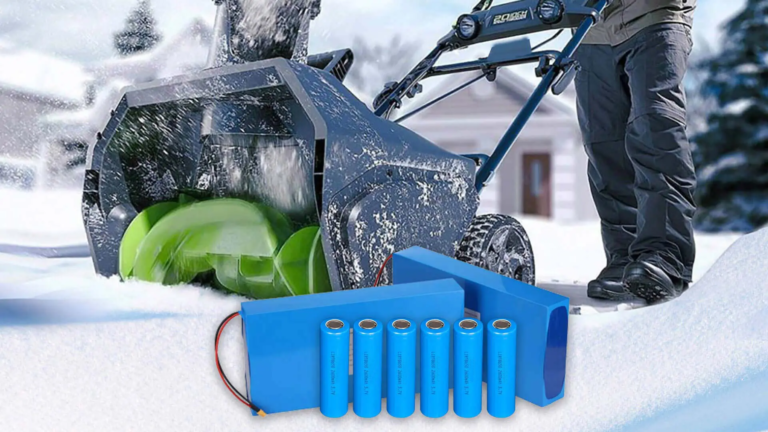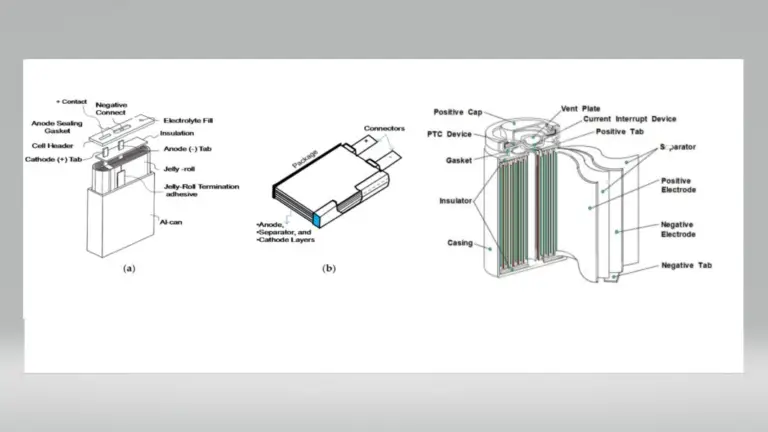
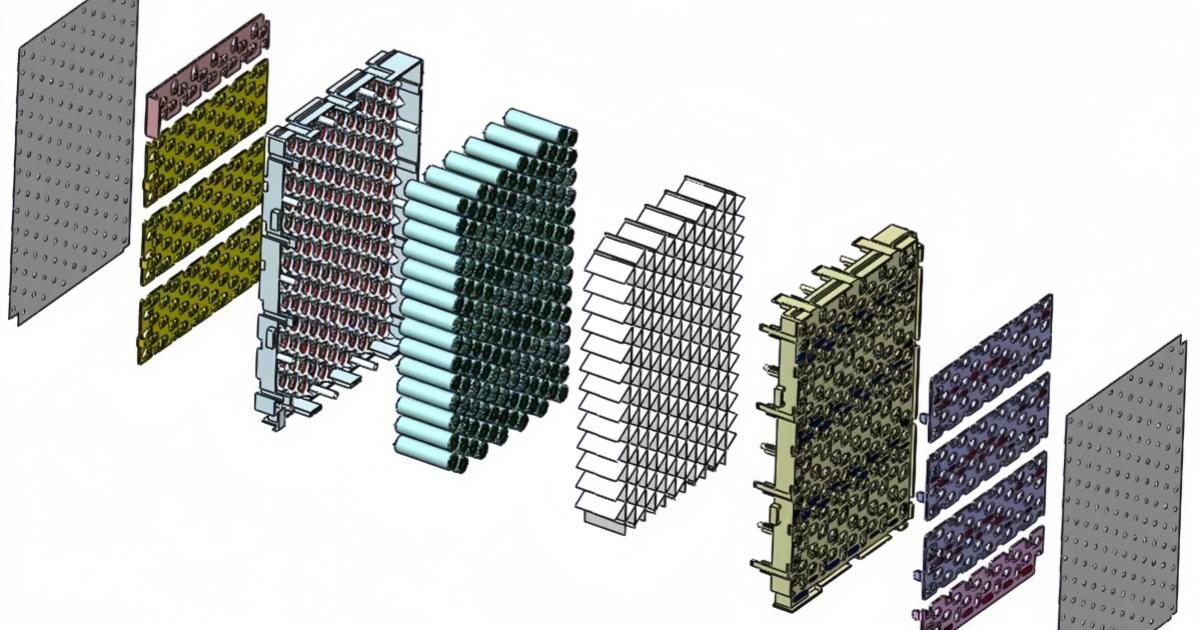
Cylindrical lithium batteries are widely used in power tools, energy storage systems, portable devices, electric vehicles, IoT equipment, and other applications. However, choosing the right battery cell is not only about capacity or voltage.
The battery chemistry, discharge capability, internal resistance, and cycle life all directly affect the performance, safety, and service life of the final battery pack.
When selecting cylindrical lithium battery cells, the following six parameters are the most important factors to consider.
1. Battery Chemistry (The First Parameter to Confirm)
The battery chemistry determines the basic characteristics of a lithium battery, including energy density, safety, temperature performance, and lifespan.
Lithium Nickel Manganese Cobalt Oxide (NCM) / NCA Lithium Battery
Advantages:
- High energy density
- Strong discharge performance
- Excellent low-temperature performance
- Suitable for high-power applications
Typical applications:
- Power tools
- Electric vehicles
- Outdoor equipment
- High-performance battery packs
Considerations:
NCM and NCA cells have higher energy density but require better thermal management because their high-temperature stability is lower compared with LiFePO4 cells.
Lithium Iron Phosphate (LiFePO4 / LFP) Battery
Advantages:
- Excellent safety performance
- Long cycle life
- High-temperature resistance
- More cost-effective
Typical applications:
- Solar energy storage
- Backup power systems
- Long standby devices
- Industrial equipment
Considerations:
LiFePO4 batteries have lower energy density, and their available capacity decreases significantly in extremely cold environments below -20°C.
2. Rated Capacity (mAh)
Capacity indicates how much energy a battery can store. It is measured in milliamp-hours (mAh).
Common cylindrical lithium battery capacities:
- 18650 battery: Usually 2000-3500mAh, some few factories have higher capacity like 4000mAh.
- 21700 battery: Usually 4000-5000mAh, some few factories have higher capacity like 6000mAh.
A higher capacity generally means longer operating time. However, higher-capacity cells usually have lower maximum discharge current compared with high-power cells.
Avoid Overrated Capacity Claims
When selecting battery cells, be careful with extremely low-priced cells claiming unusually high capacity.
Some low-quality cells may advertise capacities far beyond normal industry levels, but their actual performance may be much lower.
Always choose cells with verified capacity test reports and reliable manufacturers.
3. Nominal Voltage, Full Charge Voltage, and Cut-Off Voltage
Voltage compatibility is critical when designing a battery system. The battery cell must match the charger, protection circuit module (PCM/BMS), and application requirements.
NCM / NCA Lithium Battery
- Nominal voltage: 3.7V
- Full charge voltage: 4.2V
- Discharge cut-off voltage: 2.75-3.0V
LiFePO4 Battery
- Nominal voltage: 3.2V
- Full charge voltage: 3.65V
- Discharge cut-off voltage: 2.0V
Using an incorrect charging voltage or discharge protection setting may cause battery damage, reduced lifespan, or safety risks.
4. Maximum Discharge Current (Continuous & Peak)
Discharge capability determines whether the battery can power your device properly.
There are two important current ratings:
Continuous Discharge Current
The maximum current a battery can continuously provide during normal operation.
It determines whether the battery can support the regular power demand of the equipment.
Peak Discharge Current
The short-term maximum current output, usually lasting several seconds.
It is important for applications requiring sudden high power output, such as:
- Motor startup
- Power tools
- Inverters
- High-power lighting equipment
Energy-Type Cells vs Power-Type Cells
Energy-type cells:
- Higher capacity
- Lower discharge rate
- Suitable for low-power, long-running devices
Examples:
- Smart devices
- Sensors
- Portable lighting
Power-type cells:
- Higher discharge capability
- Designed for high current output
Examples:
- Power tools
- Electric equipment
- High-power battery packs
Operating a battery beyond its continuous discharge rating can cause excessive heat generation, capacity loss, swelling, and shortened lifespan.
5. Internal Resistance (A Critical Performance Indicator)
Internal resistance is one of the most important parameters for cylindrical lithium cells. It is measured in milliohms (mΩ).
A high-quality new power cell usually has:
- Internal resistance ≤ 20mΩ
Lower internal resistance means:
- Less energy loss
- Lower heat generation
- Better voltage stability under load
- Higher efficiency
High internal resistance may cause:
- Faster battery drain
- Excessive heating
- Significant voltage drop during high-current operation
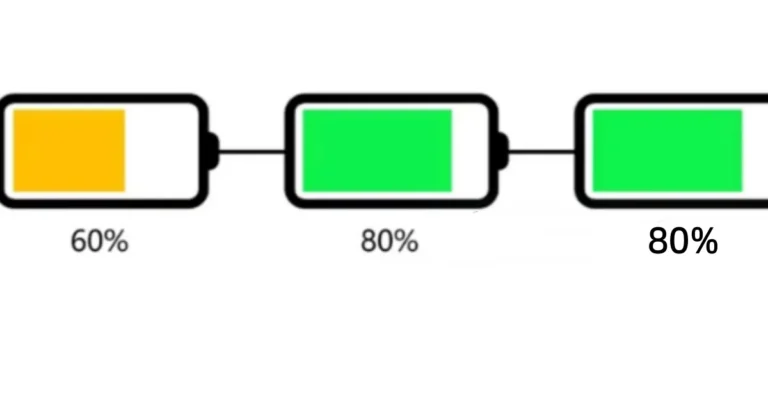
For battery pack assembly, especially multi-series configurations, the internal resistance difference between individual cells should ideally be controlled within: ≤ 5mΩ
Large resistance differences may cause uneven charging and discharging, reducing the overall battery pack performance and lifespan.
6. Cycle Life
Cycle life indicates how many charge and discharge cycles a battery can complete before its capacity decreases to a certain level (usually 80% of initial capacity).
Typical cycle life:
NCM Lithium Battery
- Standard cells: 500-800 cycles
- High-quality long-life cells: 1000+ cycles
LiFePO4 Battery
- Commonly 1500-3000 cycles
Actual cycle life depends on:
- Charging voltage
- Discharge depth
- Operating temperature
- Charging and discharging current
For longer battery life, daily use is recommended within a moderate range, such as maintaining the battery state of charge between 20% and 80% whenever possible.
Conclusion
Selecting the right cylindrical lithium battery requires more than choosing a high-capacity cell. The battery chemistry, capacity, voltage range, discharge current, internal resistance, and cycle life must all match the requirements of your application.
For battery pack projects, professional cell selection and testing are essential to ensure safety, reliability, and long-term performance.
At LNC Battery, we provide cylindrical lithium cells and customized battery pack solutions for industrial, energy storage, IoT, and power applications. Our team can help select the right battery solution based on voltage, capacity, dimensions, discharge requirements, and application conditions.