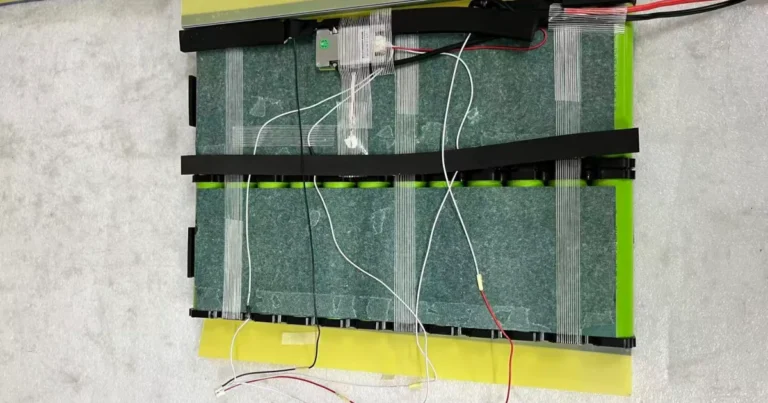
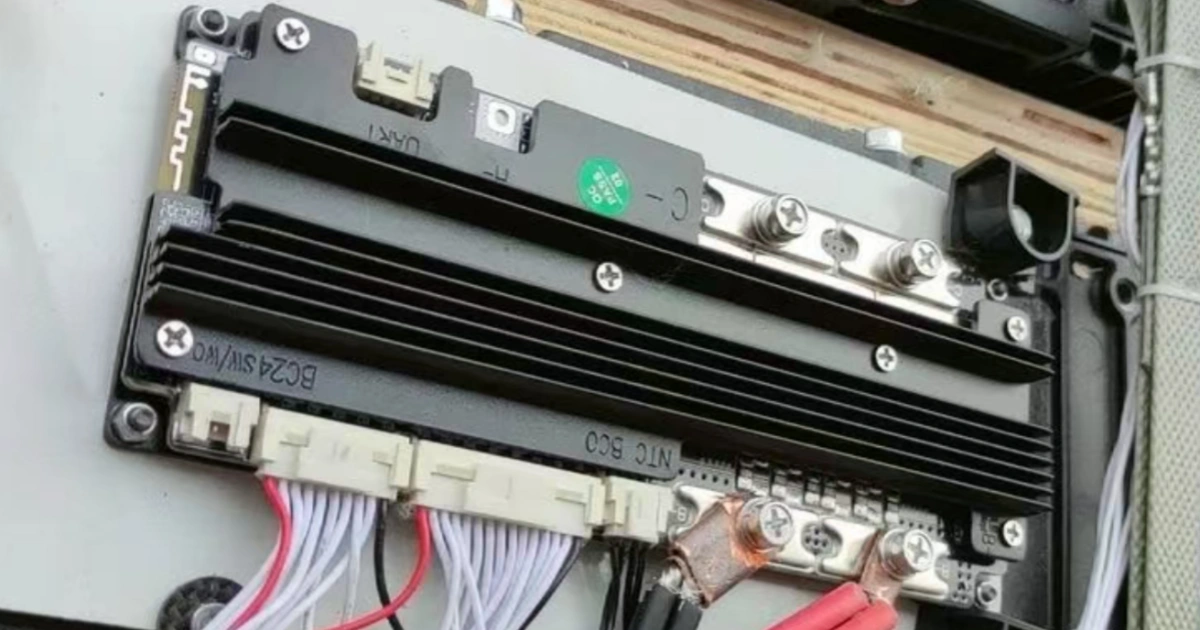
A battery protection board (PCB/BMS) is an essential component for both single lithium cells and lithium battery packs. During actual operation, lithium batteries must work together with a suitable protection board to ensure safety, reliability, and long service life.
The protection board mainly provides five important protection functions:
1. Overcharge Protection
When the cell voltage reaches the upper safety limit, the protection board automatically disconnects the charging circuit to prevent overcharging, battery swelling, or permanent damage.
2. Over-discharge Protection
When the cell voltage drops below the safe lower limit, the protection board immediately stops discharging to prevent deep discharge and irreversible battery damage.
3. Overcurrent and Short Circuit Protection
When excessive current occurs or a short circuit is detected, the protection board quickly disconnects the circuit to prevent overheating, fire risks, and battery failure.
4. Cell Voltage Balancing (For BMS with Balancing Function)
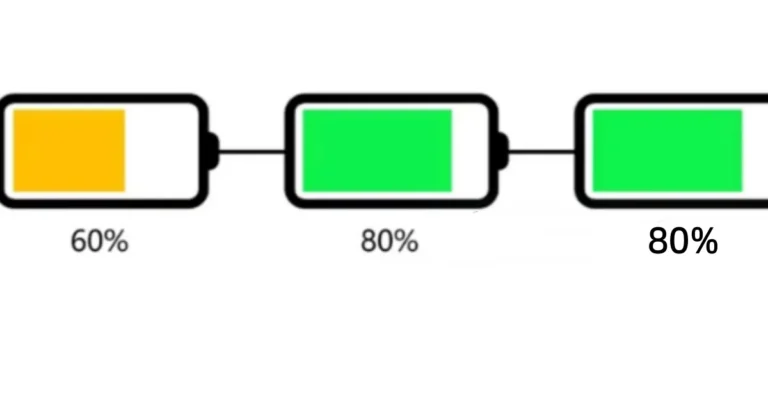
The balancing function automatically corrects voltage differences between individual cells connected in series, maintaining battery consistency and extending the overall battery pack lifespan.
5. Temperature Protection
When the battery temperature exceeds or falls below the preset safety range, the protection board will stop charging or discharging to prevent battery damage.
In simple terms:
Battery cells determine the battery capacity and voltage, while the protection board determines the safety, reliability, and service life of the battery pack.
Key Point 1: Match the Protection Board According to the Number of Series Cells (S)
Choosing the correct series number is the first and most important step when selecting a battery protection board.
The number of cells connected in series must match the protection board specification. A mismatch can cause the protection function to fail.
Common LiFePO4 Battery Pack Examples:
| Battery Series | Battery Pack Nominal Voltage | Required Protection Board |
|---|---|---|
| 4S LiFePO4 Battery Pack | 12.8V | 4S BMS |
| 8S LiFePO4 Battery Pack | 25.6V | 8S BMS |
| 16S LiFePO4 Battery Pack | 51.2V | 16S BMS |
| 20S LiFePO4 Battery Pack | 64V | 20S BMS |
Important Notes:
- An incorrect series number can directly cause protection failure, such as the battery being unable to charge or discharge.
- Protection boards with the same series number must also match the correct battery chemistry.
- LiFePO4, NMC (Lithium-ion), and LTO batteries require different voltage protection parameters and cannot be used interchangeably.
- For battery packs with multiple series and parallel connections, only the series number (S) determines the BMS specification. Parallel connections (P) do not affect the required series rating.
For example:
A 4S3P LiFePO4 battery pack still requires a 4S BMS, not a 12S or 3S BMS.
Key Point 2: How to Choose the Correct Current Rating?
After confirming the series configuration, the next step is selecting the correct current rating.
Battery protection boards usually have two important current specifications:
- Continuous discharge current
- Peak discharge current
In most applications, the continuous current rating is the most important reference.
1. Understanding Continuous Current and Peak Current
Continuous Current
The maximum current that the battery pack can continuously provide during normal operation.
This is the key parameter for BMS selection.
Peak Current
The short-duration high current required during equipment startup or sudden load changes.
For example, electric motors may require a high starting current for a few seconds.
2. Current Selection Formula
A common calculation method:
Required Current (A) = Load Power (W) ÷ Battery Voltage (V) × 1.5
Practical Example:
A 13S 48V battery pack is used for an electric vehicle with a 1000W motor controller.
Calculation:
1000W ÷ 48V × 1.5 = 31A
Considering safety margin, a protection board with:
Continuous current ≥ 35A
is recommended.
Industry Selection Guidelines
Normal Applications:
Choose a protection board with:
Continuous current ≥ 1.2–1.5 times the equipment operating current
This provides sufficient safety margin.
High Power Applications:
For applications with:
- Electric motors
- High-power inverters
- Frequent startup loads
It is recommended to increase the current rating to:
1.5–2 times the actual operating current
to avoid frequent overcurrent protection shutdowns.
What Happens If the Current Rating Is Incorrect?
Current Rating Too Low:
- Frequent power interruption
- Protection board overheating
- Possible BMS damage
Current Rating Too High:
- Higher cost
- Unnecessary capacity
- Increased product cost without practical benefits
Key Point 3: Do You Need Cell Balancing Function?
Passive Balancing vs Active Balancing BMS
As discussed in previous articles about battery voltage differences, balancing is a key function for maintaining cell consistency.
Currently, battery protection boards mainly use two balancing methods:
1. Passive Balancing BMS (Basic Type)
Working Principle:
High-voltage cells release excess energy through resistors, reducing their voltage difference with lower-voltage cells.
Advantages:
- Lower cost
- Simple structure
- High reliability
- Suitable for small battery packs and low-current applications
Disadvantages:
- Slow balancing speed
- Limited recovery ability when cell voltage differences become large
2. Active Balancing BMS (Advanced Type)
Working Principle:
The active balancing circuit transfers energy from higher-voltage cells to lower-voltage cells without wasting energy.
Advantages:
- Faster balancing speed
- Higher balancing efficiency
- Better control of voltage differences during long-term operation
- Helps extend battery pack lifespan
Disadvantages:
- Higher cost compared with passive balancing BMS
Battery Protection Board Selection Summary
| Application Situation | Recommended BMS Type |
|---|---|
| Temporary use, low-cost assembly, fewer series cells | Passive balancing BMS |
| Long-term operation, multi-series battery packs, high-power equipment | Active balancing BMS |
Final Conclusion
Selecting the right battery protection board requires considering three key factors:
- Battery chemistry and series number (S)
- Continuous current requirement
- Balancing function requirements
A correctly matched BMS can improve battery safety, maintain cell consistency, prevent premature failure, and significantly extend the service life of lithium battery packs.
At LNC Battery, we provide customized lithium battery solutions, including LiFePO4 battery packs, lithium-ion battery packs, and custom BMS configurations according to application requirements.