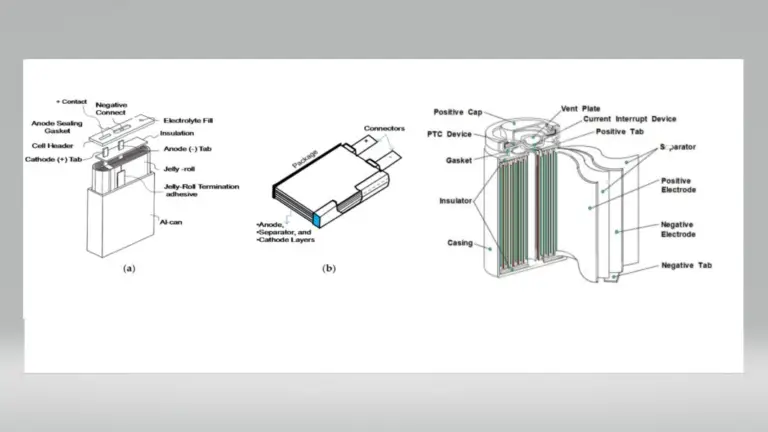

Today, lithium-ion batteries are widely used in smartphones, electric vehicles, renewable energy storage systems, and industrial applications. They have completely changed modern life and become a key technology supporting the global clean energy transition.
The development of lithium batteries has taken more than 50 years, from early laboratory research to today’s large-scale energy industry.
Early Exploration: The First Lithium Batteries
In the 1970s, scientists began exploring lithium as a new energy storage material.
In 1972, Stanley Whittingham developed the first rechargeable lithium battery using titanium disulfide as the cathode and metallic lithium as the anode. This research introduced the concept of lithium ion storage.
However, lithium metal batteries had serious safety issues. During charging and discharging, lithium dendrites could form on the anode surface, causing internal short circuits and potential thermal runaway.
These challenges led researchers to develop a safer battery system based on lithium-ion technology.
Key Breakthrough: The Birth of Modern Lithium-ion Batteries
In 1980, John Goodenough developed lithium cobalt oxide (LiCoO₂) cathode materials, greatly improving battery voltage and energy density.
Later, researchers developed new cathode materials such as lithium iron phosphate (LiFePO₄), which provides better safety, longer cycle life, and excellent thermal stability.
In 1985, Akira Yoshino created a safer lithium-ion battery design by replacing unstable lithium metal anodes with carbon-based materials. This breakthrough made lithium-ion batteries suitable for commercial production.
Commercialization: Lithium Batteries Enter Daily Life
In 1991, Sony introduced the first commercial lithium-ion battery, marking the beginning of large-scale lithium battery applications.
The standardized 18650 lithium-ion battery format became widely used in cameras, laptops, and portable electronic devices.
Compared with traditional nickel-cadmium and nickel-metal hydride batteries, lithium-ion batteries offered higher energy density, lighter weight, and longer service life, quickly becoming the mainstream power source for consumer electronics.
From Electronics to Electric Vehicles and Energy Storage
After 2010, the rapid growth of electric vehicles pushed lithium batteries into a new era.
Different technologies developed, including LiFePO₄ batteries known for safety and long cycle life, as well as high-energy NMC batteries for applications requiring higher energy density.
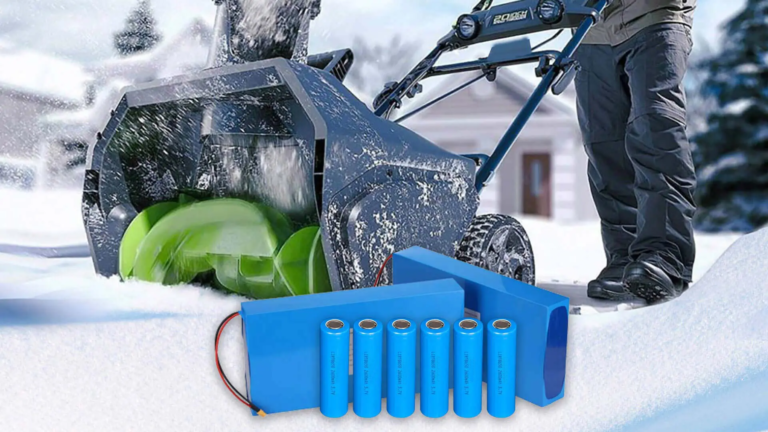
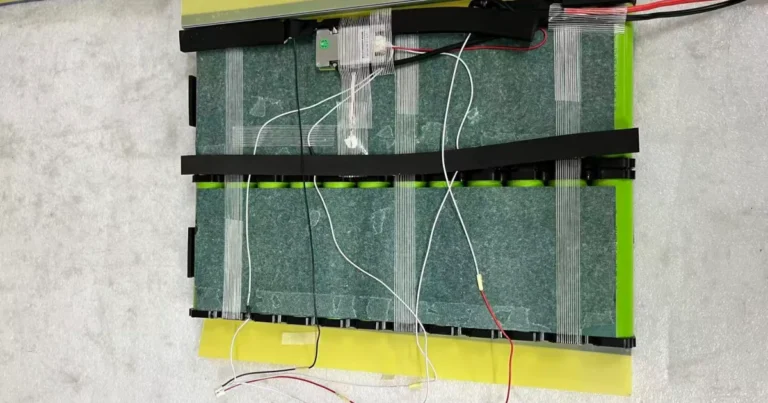
Today, lithium batteries are widely used in custom battery packs, electric vehicles, solar energy storage systems, IoT devices, and industrial equipment.
Future Development of Battery Technology
The battery industry continues to improve safety, charging speed, lifespan, and sustainability.
Future technologies include solid-state batteries, sodium-ion batteries, and advanced energy storage solutions.
From early laboratory experiments to today’s clean energy infrastructure, lithium batteries have become one of the most important technologies shaping the future of energy.