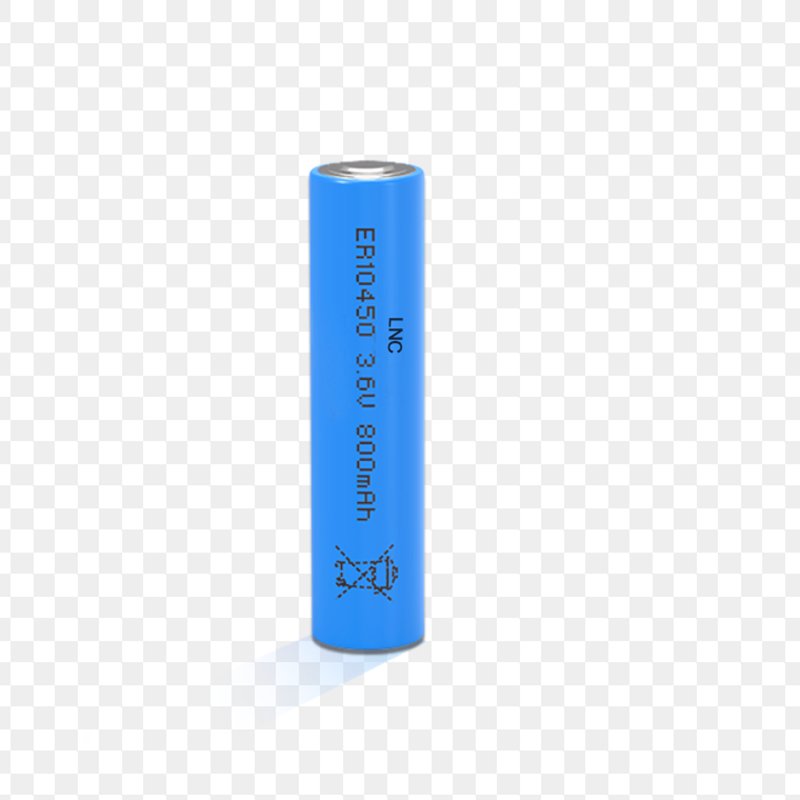
The correct charging method for lithium-ion batteries
Lithium-ion batteries are widely used in electric vehicles, portable electronic devices, industrial equipment, and renewable energy storage systems. Correct charging methods play a critical role in maintaining battery safety, improving charging efficiency, and extending operational lifespan.
Improper charging behavior may accelerate battery aging, increase internal resistance, and reduce long-term energy retention capability. Understanding the correct charging practices for Lithium-ion batteries helps optimize performance while minimizing degradation under daily operating conditions.
Understanding the Lithium-Ion Battery Charging Process
Lithium-ion batteries store and release energy through the movement of lithium ions between the cathode and anode materials.
During charging, lithium ions move from the cathode to the anode through the electrolyte. Stable charging conditions help maintain balanced electrochemical reactions and reduce internal stress inside the battery cell.
The charging power relationship can be expressed as:
Power (W)=Voltage (V)×Current (A)
Charging voltage, charging current, and operating temperature all influence charging efficiency and battery lifespan.
Use Proper Charging Current
Charging current has a direct impact on battery temperature, electrochemical stability, and cycle life.
Avoid Excessive Fast Charging
High charging current generates additional heat and increases polarization inside the battery cell.
The charging current equation is:
Charging Current (A)=Battery Capacity (Ah)×C-Rate
Although fast charging improves convenience, continuously operating at extremely high charging rates may accelerate electrolyte degradation and increase internal resistance growth.
Moderate charging current helps improve long-term battery stability and charging efficiency.
Maintain Stable Charging Conditions
Stable voltage and current control reduce electrochemical stress during charging.
Sudden current fluctuations may negatively affect battery consistency and thermal performance.
Avoid Charging Immediately After Heavy Use
After high-load discharge operation, battery temperature may remain elevated.
Allowing the battery to cool before charging helps reduce internal heat accumulation and improves charging safety.
Control Charging Temperature
Temperature management is essential for safe and efficient Lithium-ion battery charging.
Prevent High-Temperature Charging
Charging under high-temperature conditions accelerates electrolyte decomposition and increases thermal stress.
Battery heat generation during charging can be expressed as:
Heat Generation (Q)=I2×R×t
Excessive heat may damage electrode materials and reduce long-term capacity retention.
Proper ventilation and cooling help maintain stable charging temperatures.
Avoid Charging in Freezing Conditions
Low temperatures reduce lithium-ion mobility and charging efficiency.
Charging under extremely cold conditions may increase lithium plating risk on the anode surface.
Allowing the battery to warm gradually before charging improves electrochemical stability.
Maintain Moderate Ambient Temperature
Stable environmental conditions help reduce internal resistance fluctuations and improve charging consistency.
Moderate charging temperatures generally support better long-term battery performance.
Prevent Overcharging and Deep Discharge
Balanced charging and discharging practices are important for preserving Lithium-ion battery health.
Avoid Long-Term Full Charge Storage
Keeping batteries at maximum charge levels for extended periods may increase electrode stress and accelerate capacity degradation.
Moderate state-of-charge conditions help improve long-term storage stability.
Prevent Complete Battery Depletion
Deep discharge conditions increase electrochemical strain inside battery materials.
The capacity retention formula is commonly expressed as:
Capacity Retention (%)=Initial CapacityCurrent Capacity×100
Reducing deep discharge frequency helps maintain stable cycle life performance.
Use Intelligent Charging Management
Battery management systems help control voltage, current, and temperature automatically during charging.
These systems improve charging safety and reduce operational risks.
Improve Daily Charging Habits
Daily charging behavior strongly affects Lithium-ion battery lifespan and operational reliability.
Charge Before Battery Level Becomes Extremely Low
Frequent operation at extremely low charge levels increases internal stress and may accelerate aging.
Maintaining moderate battery levels generally improves cycle stability.
Disconnect Charging After Full Charge When Possible
Although modern systems provide overcharge protection, reducing unnecessary long-duration charging may help minimize long-term thermal stress.
Use Stable Power Sources
Stable electrical input improves charging consistency and reduces voltage fluctuation effects during battery operation.
Reliable charging conditions help maintain battery efficiency and safety.
Importance of Battery Management Systems
Battery management systems play a critical role in correct Lithium-ion battery charging operation.
Voltage Monitoring and Protection
Continuous voltage monitoring prevents overvoltage conditions that may damage battery cells.
Current Regulation
Smart charging systems automatically adjust charging current according to battery status and temperature conditions.
Thermal Protection Functions
Temperature monitoring helps prevent overheating and reduces thermal runaway risk during charging.
Balanced thermal control improves operational reliability and charging efficiency.
Internal Resistance and Charging Efficiency
Internal resistance directly affects Lithium-ion battery charging performance.
High Resistance Increases Heat Generation
As internal resistance rises, more charging energy converts into heat instead of stored energy.
The voltage loss relationship is:
Voltage Loss (V)=Current (A)×Internal Resistance (Ω)
Lower internal resistance improves charging efficiency and reduces energy loss.
Battery Aging Increases Resistance
Repeated charge and discharge cycles gradually increase internal resistance due to material degradation and electrolyte aging.
Proper charging practices help slow resistance growth and maintain battery efficiency.
Influence of Battery Chemistry on Charging Behavior
Different Lithium-ion battery chemistries may require slightly different charging strategies.
LiFePO4 Battery Characteristics
LiFePO4 batteries are known for strong thermal stability, long cycle life, and safe charging behavior.
Their stable chemistry supports reliable operation under repeated charging conditions.
Li-Polymer Battery Charging Considerations
Li-polymer batteries provide high energy density and flexible structural design, but careful temperature management remains important during charging.
Na-Ion Battery Development Trends
Na-ion batteries are gaining attention for energy storage applications due to promising material availability and thermal adaptability.
Future charging technologies may continue evolving alongside next-generation battery chemistries.
Future Trends in Lithium-Ion Battery Charging Technology
Future Lithium-ion charging technologies are expected to focus on higher efficiency, improved thermal safety, and intelligent energy management.
Artificial intelligence, adaptive charging algorithms, solid-state electrolytes, and advanced battery management systems will continue improving charging precision and long-term operational reliability.
Advanced thermal management systems and optimized electrode materials are also expected to significantly improve future charging stability and battery lifespan.