Lithium-ion battery capacity degradation in low-temperature environments has become a major research topic in electric vehicles, renewable energy storage systems, industrial power equipment, and portable electronic devices. Cold operating conditions significantly affect battery electrochemical performance, charging efficiency, ion transport capability, and overall energy output.
As global demand for reliable energy storage continues to increase, understanding the capacity fading behavior of Lithium-ion batteries under low-temperature conditions is essential for improving battery design, operational stability, and long-term durability.
Explore LNC Batteries Company specialize in advanced battery solutions, with expertise in Lithium-ion technologies, including LiFePO4, Li-ion, Li-polymer, as well as Lithium batteries like LiMnO2 and LiSOCl2, and Na-ion batteries. Quality guaranteed.
Understanding Low-Temperature Capacity Degradation in Lithium-Ion Batteries
Low-temperature environments reduce the effective capacity of Lithium-ion batteries by slowing electrochemical reactions and limiting lithium-ion mobility inside the battery cell.
When temperature decreases, battery internal resistance rises, electrolyte conductivity declines, and ion diffusion speed becomes slower. These changes directly reduce usable battery capacity during charging and discharging processes.
The capacity retention formula is commonly expressed as:
Capacity Retention (%)=Rated CapacityLow Temperature Capacity×100
Battery capacity loss becomes increasingly noticeable as environmental temperature continues dropping below standard operating conditions.
Electrochemical Mechanisms Behind Capacity Decline
Several electrochemical factors contribute to Lithium-ion battery performance degradation in cold environments.
Reduced Lithium-Ion Diffusion Speed
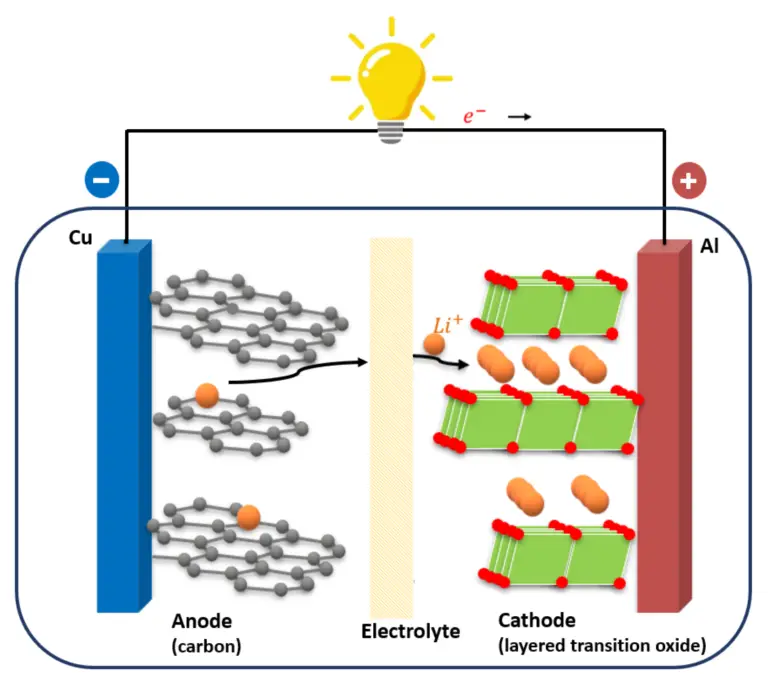
Low temperatures slow lithium-ion movement between the cathode and anode materials.
As ion diffusion becomes less efficient, electrochemical reaction speed decreases, limiting available discharge capacity and reducing power output capability.
Increased Electrolyte Viscosity
Electrolytes become more viscous at low temperatures, reducing ionic conductivity inside the battery cell.
Lower conductivity increases internal resistance and decreases charging efficiency during operation.
The voltage loss equation can be expressed as:
Voltage Loss (V)=Current (A)×Internal Resistance (Ω)
Higher internal resistance results in larger voltage drops and reduced usable battery energy.
Slower Charge Transfer Reactions
Electrochemical reactions occurring at electrode surfaces slow significantly in cold conditions.
Reduced charge transfer efficiency increases polarization effects and lowers battery discharge performance.
Explore LNC Batteries Company specialize in advanced battery solutions, with expertise in Lithium-ion technologies, including LiFePO4, Li-ion, Li-polymer, as well as Lithium batteries like LiMnO2 and LiSOCl2, and Na-ion batteries. Quality guaranteed.
Temperature Influence on Battery Capacity
Different temperature ranges produce varying levels of capacity degradation in Lithium-ion batteries.
Mild Low-Temperature Conditions
Under moderately cold conditions, battery capacity reduction is generally temporary.
Once the battery returns to normal operating temperatures, much of the lost capacity can recover due to improved ion mobility and electrolyte conductivity.
Severe Cold Environments
At extremely low temperatures, battery performance degradation becomes more severe.
Charging capability decreases significantly, internal resistance rises sharply, and lithium plating risk increases during fast charging conditions.
In severe cases, long-term exposure to low temperatures may accelerate permanent capacity fading.
Impact of Battery Materials on Low-Temperature Performance
Battery material selection strongly influences low-temperature operational capability.
Cathode Material Characteristics
Different cathode chemistries provide varying low-temperature performance characteristics.
Some Lithium-ion materials maintain better ion diffusion capability under cold conditions, while others experience significant conductivity loss.
LiFePO4 batteries are known for thermal stability and long cycle life, though low-temperature discharge performance may vary depending on electrode design and electrolyte optimization.
Anode Material Structure
Graphite anodes are widely used in Lithium-ion batteries, but low temperatures may reduce lithium intercalation efficiency.
Under extremely cold charging conditions, lithium plating can occur on the anode surface, which may damage battery structure and reduce cycle life.
Electrolyte Formulation Optimization
Electrolyte composition has a major effect on low-temperature battery performance.
Advanced electrolyte additives improve ionic conductivity and reduce viscosity during cold operation, helping maintain charging and discharging efficiency.
Relationship Between Internal Resistance and Capacity Loss
Internal resistance growth is one of the primary reasons for low-temperature capacity degradation.
Ohmic Resistance Increase
As temperature decreases, conductivity of internal battery materials declines.
This increases ohmic resistance and reduces energy transfer efficiency.
Polarization Effects Become Stronger
Polarization increases significantly during low-temperature operation due to slower electrochemical reaction rates.
Higher polarization reduces discharge voltage and lowers usable battery capacity.
The battery power relationship remains:
Power (W)=Voltage (V)×Current (A)
Lower voltage under cold conditions directly reduces effective power output.
Explore LNC Batteries Company specialize in advanced battery solutions, with expertise in Lithium-ion technologies, including LiFePO4, Li-ion, Li-polymer, as well as Lithium batteries like LiMnO2 and LiSOCl2, and Na-ion batteries. Quality guaranteed.
Methods to Reduce Low-Temperature Capacity Degradation
Several technical strategies help improve Lithium-ion battery performance in cold environments.
Battery Preheating Systems
Preheating technology raises battery temperature before charging or high-load operation.
Controlled warming improves ion mobility and reduces internal resistance.
Optimized Thermal Management
Advanced thermal management systems maintain stable operating temperatures during cold-weather operation.
Uniform temperature distribution improves charging efficiency and reduces localized stress inside battery cells.
Low-Temperature Electrolyte Development
Specialized low-temperature electrolytes improve ionic conductivity and reduce lithium plating risk.
These electrolyte systems help maintain stable charging and discharging performance under freezing conditions.
Intelligent Battery Management Systems
Battery management systems continuously monitor temperature, voltage, and charging conditions.
Adaptive charging control helps reduce electrochemical stress during low-temperature operation.
Long-Term Effects of Low-Temperature Operation
Repeated exposure to low temperatures may gradually accelerate battery aging and capacity degradation.
Structural Damage to Electrodes
Frequent low-temperature cycling creates mechanical stress inside electrode materials.
Over time, microscopic structural damage may reduce conductivity and increase internal resistance.
Lithium Plating Risk
Charging Lithium-ion batteries at low temperatures increases the possibility of metallic lithium deposition on the anode surface.
Lithium plating can permanently reduce battery capacity and increase safety risks.
Electrolyte Decomposition
Cold-temperature stress combined with repeated cycling may accelerate electrolyte aging and reduce long-term electrochemical stability.
Explore LNC Batteries Company specialize in advanced battery solutions, with expertise in Lithium-ion technologies, including LiFePO4, Li-ion, Li-polymer, as well as Lithium batteries like LiMnO2 and LiSOCl2, and Na-ion batteries. Quality guaranteed.
Future Development of Low-Temperature Lithium-Ion Battery Technology
Future Lithium-ion battery research continues focusing on improving low-temperature charging capability, capacity retention, and cycle stability.
Advanced electrode materials, solid-state electrolytes, intelligent thermal management systems, and optimized battery structures are expected to significantly improve cold-weather battery performance.
At the same time, Na-ion batteries are attracting increasing attention for low-temperature energy storage applications due to their promising thermal adaptability and resource advantages.