Comparison of High and Low Temperature Performance Differences of Lithium-ion Batteries
If you have ever noticed your phone dying unexpectedly on a freezing winter morning or your electric vehicle showing a shorter range on a sweltering summer day, you have already experienced how temperature shifts change the way lithium-ion batteries work. These energy storage systems rely entirely on the steady movement of lithium ions between two internal electrodes, and every small change in ambient temperature can reshape that core chemical process in distinct, noticeable ways.
How low temperatures alter lithium-ion battery behavior
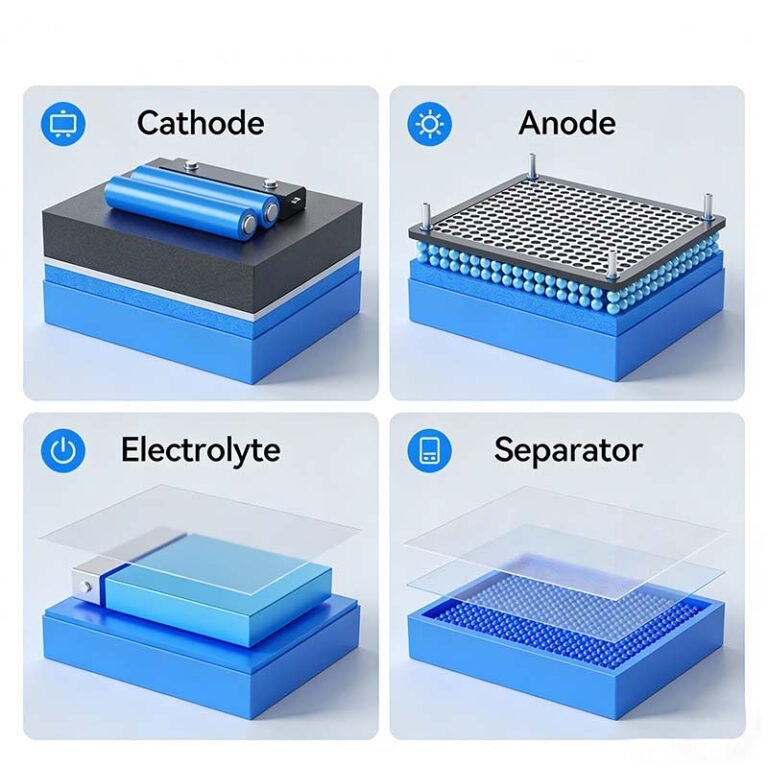
When the mercury drops below 10°C, the lithium ions that normally shuttle freely between the cathode and anode begin to slow down dramatically. The electrolyte inside the battery grows thicker and more viscous, which cuts down its ionic conductivity and makes it far harder for ions to travel through the solution to reach their target electrode. Most of the temporary performance loss you see in cold conditions is reversible: once the battery warms back up to room temperature, the available capacity bounces back to its usual level, and the normal operating voltage returns.
The real, permanent damage happens when you try to charge a lithium-ion battery in temperatures below 0°C. At these frigid points, the ions do not have enough energy to properly insert themselves into the graphite anode, so they end up depositing as solid metallic lithium on the surface of the electrode. This process is irreversible, and over repeated cold charging cycles, these lithium deposits build up into sharp, tree-like structures called dendrites. These dendrites can pierce the internal separator that keeps the two electrodes apart, creating serious safety risks and permanently cutting down the total number of usable lithium ions in the cell. Long term regular use in freezing conditions can also shorten the overall service life of a battery by up to 20 percent, even if you avoid charging it in the cold.
How high temperatures reshape lithium-ion battery performance
At first glance, mild heat might seem like a good thing for battery function: as temperature climbs, the electrode reaction rate speeds up, the electrolyte flows more easily, and the battery can deliver a slightly higher discharge power output than it does at room temperature. For every 1°C of temperature rise, the available capacity of the battery sees a small, temporary increase, but this short term benefit comes with steep long term costs.
Once the operating temperature climbs above 45°C, harmful side reactions start to take over inside the battery. The protective SEI layer that forms on the anode surface begins to thicken at an accelerated pace, the electrolyte starts to break down and release gas, and the active materials on both electrodes start to degrade at a much faster rate. Following the well established Arrhenius equation for chemical reaction rates, every 10°C increase in operating temperature roughly doubles the speed of these aging reactions, which means the total cycle life of the battery gets cut in half. Over hundreds of charge and discharge cycles in high heat, the internal resistance of the cell keeps climbing, the maximum usable capacity drops steadily, and in the most severe cases, the continuous buildup of heat and gas can trigger dangerous thermal runaway events.
Key differences in core performance metrics across extreme temperatures
At -20°C, a typical lithium-ion battery can only deliver around 58 percent of its nominal room temperature discharge capacity, and the average operating voltage drops sharply enough that many devices will trigger a low voltage shutdown even when the battery still has plenty of stored energy left. The total internal impedance of the cell surges, with the charge transfer resistance across the electrode-electrolyte interface seeing the largest, most dramatic jump compared to the relatively small changes in SEI film resistance. At -40°C, the available discharge capacity falls below 50 percent of the rated value, and the battery can barely deliver enough power to run high demand functions.
At 60°C, the battery can still deliver nearly its full nominal capacity in a single discharge cycle, but after 200 repeated cycles at this temperature, the total capacity retention rate falls to roughly 82 percent. Unlike cold conditions where most discharge related loss is temporary, every hour spent operating at sustained high temperatures leaves permanent, cumulative damage to the internal structure of the cell. The power output stays high in the short term, but the long term degradation of the active materials means the battery will never be able to return to its original performance level even after it cools back down to a moderate temperature.