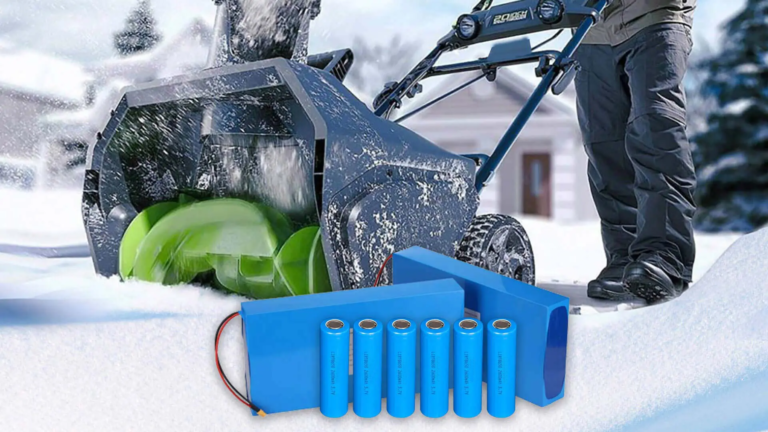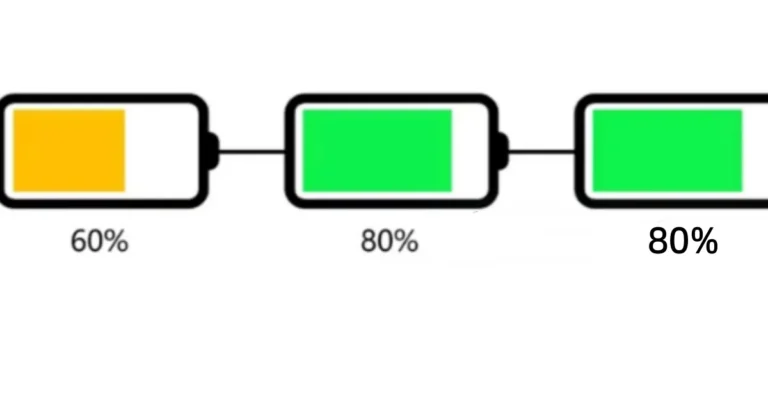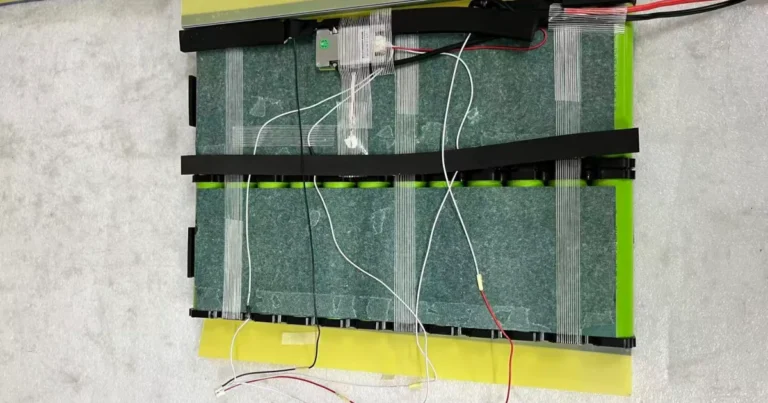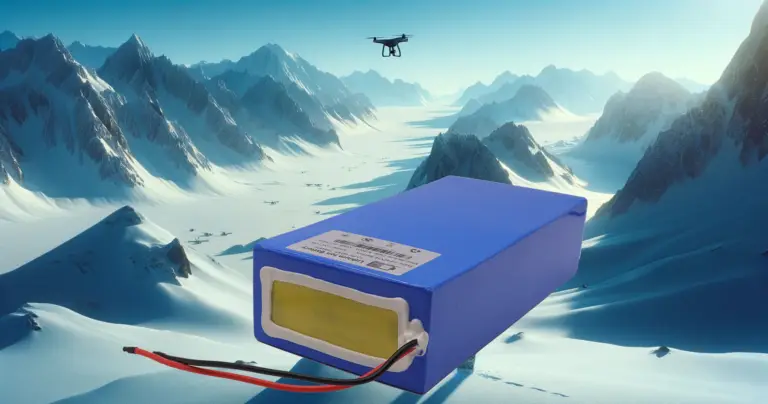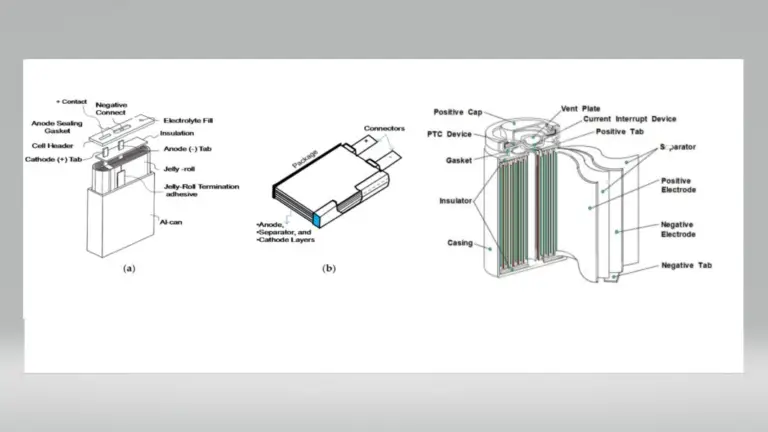
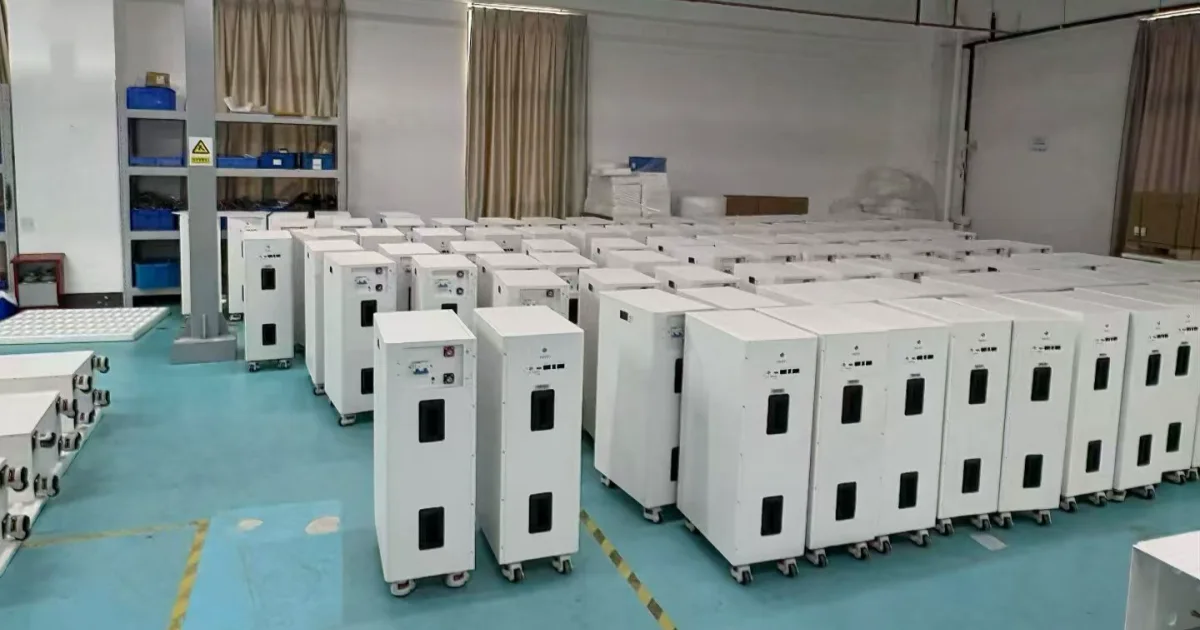
A lithium battery PACK is a complete battery system assembled by connecting multiple individual battery cells through series and parallel configurations.
It is widely used in:
- Energy storage systems (ESS)
- Electric vehicles (EVs)
- Industrial equipment
- UPS systems
- Low-speed vehicles
A battery PACK is not simply a group of cells connected together. It also includes mechanical structure design, electrical connections, thermal management, battery management system (BMS), and safety protection.
A well-designed battery PACK must ensure:
- Reliable electrical performance
- Efficient thermal control
- Mechanical strength
- Long service life
- Safe operation
1. What Is a Lithium Battery PACK?
The term PACK means packaging, assembly, and integration.
A lithium battery PACK is created by connecting multiple battery cells in series and parallel according to application requirements.
For example:
- Connecting cells in series increases voltage.
- Connecting cells in parallel increases capacity.
A complete battery PACK design must consider:
- Cell selection and matching
- Electrical connection methods
- Structural protection
- Heat dissipation
- BMS control
- Safety requirements
The performance of a battery PACK depends not only on the battery cells but also on the overall system design.
2. Main Components of a Battery PACK
A typical energy storage battery PACK consists of five major parts:
1) Battery Cells and Modules
Battery cells are the core energy storage units.
Multiple cells are assembled into modules, and modules are integrated into a complete PACK.
The cells determine important characteristics such as:
- Voltage
- Capacity
- Energy density
- Cycle life
- Safety performance
For battery PACK applications, cells must have good consistency in:
- Capacity
- Internal resistance
- Voltage
- Discharge characteristics
Poor cell matching can reduce usable capacity and shorten battery life.
2) Electrical System
The electrical system connects cells and transfers power between the battery and external equipment.
Main components include:
- Busbars
- High-voltage cables
- Low-voltage wiring
- Electrical protection components
The high-voltage system is responsible for transmitting energy to the load, while the low-voltage system transfers monitoring and control signals.
Reliable electrical connections are essential to reduce:
- Contact resistance
- Heat generation
- Power loss
3) Thermal Management System
Lithium batteries generate heat during charging and discharging.
A thermal management system keeps the battery operating within a suitable temperature range.
Common cooling methods include:
Air Cooling
Uses fans and airflow to remove heat.
Advantages:
- Simple structure
- Lower cost
Liquid Cooling
Uses cooling plates or liquid channels to improve heat dissipation.
Advantages:
- Better temperature control
- Suitable for high-power applications
For large energy storage systems, maintaining temperature consistency between cells is critical. Excessive temperature differences can accelerate battery aging and reduce cycle life.
4) Battery PACK Housing
The housing provides mechanical protection and structural support.
It protects the internal components from:
- Mechanical impact
- Vibration
- Dust
- Moisture
- External damage
The housing usually includes:
- Battery enclosure
- Cover plates
- Metal brackets
- Fasteners
A strong mechanical structure improves reliability in harsh environments.
5) Battery Management System (BMS)
The Battery Management System (BMS) is the control center of a battery PACK.
Its main functions include:
- Voltage monitoring
- Current monitoring
- Temperature monitoring
- Cell balancing
- Overcharge protection
- Over-discharge protection
- Communication with external systems
The BMS helps maintain safe operation and improves battery utilization.
3. Key Characteristics of Battery PACK
High Cell Consistency Requirements
Battery PACK performance depends heavily on cell consistency.
Cells connected together should have similar:
- Capacity
- Internal resistance
- Voltage
- Charging and discharging characteristics
Better consistency leads to:
- Higher usable capacity
- Longer cycle life
- Improved safety
PACK Cycle Life Is Usually Lower Than Individual Cells
A single battery cell tested under laboratory conditions may achieve a higher cycle life than a complete PACK.
This is because PACK operation involves additional factors:
- Cell differences
- Temperature variations
- Electrical connections
- Mechanical stress
- BMS control strategies
Therefore, PACK design plays an important role in actual battery lifespan.
4. Battery PACK Connection Methods
Series Connection (S)
Series connection increases voltage.
Example:
A LiFePO4 cell has a nominal voltage of 3.2V.
24 cells connected in series:
3.2V × 24 = 76.8V
The capacity remains unchanged.
Parallel Connection (P)
Parallel connection increases capacity.
Example:
Two 50Ah cells connected in parallel:
50Ah × 2 = 100Ah
The voltage remains unchanged.
Example: 1P24S Battery PACK
A battery specification of 1P24S means:
- 1 cell in parallel
- 24 cells in series
For a 3.2V LiFePO4 cell:
Nominal voltage:
3.2V × 24 = 76.8V
5. Battery PACK Manufacturing Process
Common PACK assembly methods include:
Laser Welding
Laser welding is widely used in modern battery manufacturing.
Advantages:
- High connection reliability
- Low electrical resistance
- High automation level
It is commonly used for:
- Busbar welding
- Cell connection
- Module assembly
Ultrasonic or Pulse Welding
These methods are also used depending on:
- Cell type
- Material
- Production requirements
Mechanical Contact Connection
Some battery systems use spring contacts or metal contact structures.
Advantages:
- Easy replacement
- No welding required
Disadvantages:
- Higher risk of contact resistance increase
For large-scale production, welded connections are usually preferred due to reliability.
6. How to Understand Battery PACK Technical Parameters
Rated Capacity
Capacity is measured in Ah (Ampere-hour).
It represents how much electrical charge the battery can provide.
Example:
A 280Ah battery can theoretically provide:
280A for 1 hour
or
140A for 2 hours
under specified conditions.
Rated Energy
Battery energy is measured in Wh or kWh.
Formula:
Energy (Wh) = Voltage (V) × Capacity (Ah)
Example:
76.8V × 280Ah
= 21,504Wh
= 21.504kWh
This means the battery can theoretically store about 21.5kWh of energy.
Conclusion
A battery PACK is a complete energy storage system that integrates:
- Battery cells
- Electrical connections
- Thermal management
- Mechanical structure
- BMS protection
For energy storage and EV applications, successful PACK design requires not only high-quality battery cells but also proper system engineering.
Cell consistency, reliable welding, effective thermal management, and intelligent BMS control together determine the final performance, safety, and lifetime of a lithium battery PACK.
Looking for reliable lithium battery cells, LiFePO4 battery solutions, or custom battery PACK design? Visit LNC Battery for professional battery solutions for energy storage, EV, and industrial applications.