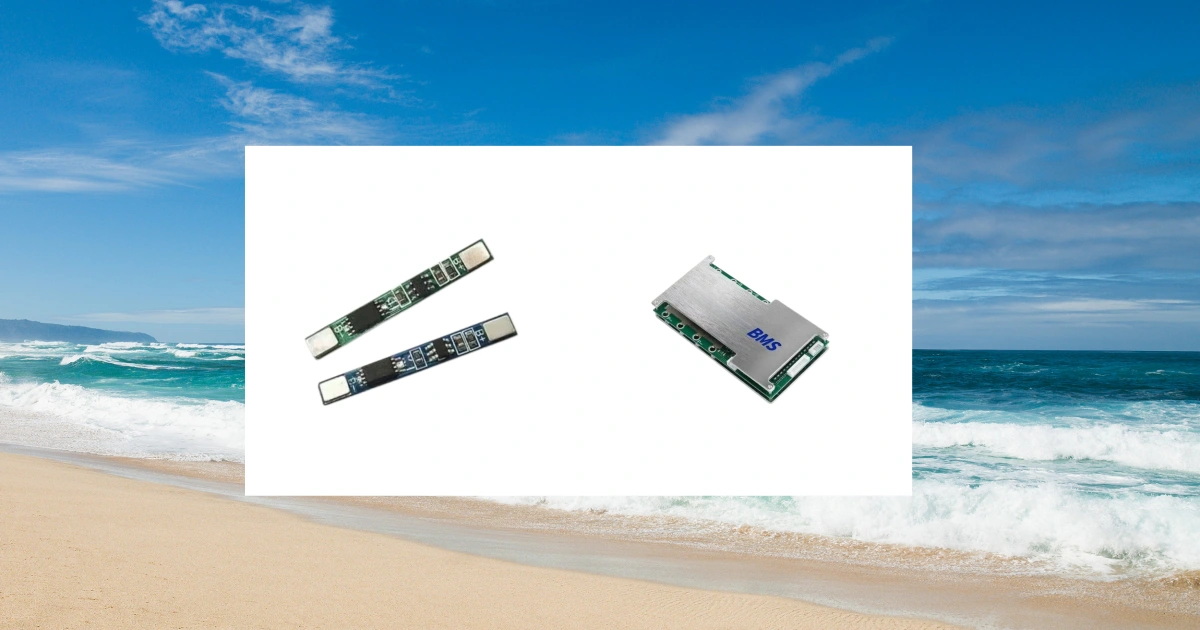
For lithium batteries, safety protection is essential. Depending on battery structure and application requirements, different protection solutions are used, mainly PCM (Protection Circuit Module) and BMS (Battery Management System).
Although both are designed to protect lithium batteries, they have significant differences in function, application, and management capability.
1. What Are PCM and BMS?
PCM (Protection Circuit Module) is a basic lithium battery protection circuit, commonly known as a battery protection board.
Its main purpose is to provide basic safety protection, including:
- Overcharge protection
- Over-discharge protection
- Over-current protection
- Short-circuit protection
BMS (Battery Management System) is an intelligent battery management system designed for multi-cell battery packs. It not only protects the battery but also monitors, balances, and manages battery performance.
2. Lithium Battery Types and Protection Requirements
Lithium batteries include different formats such as:
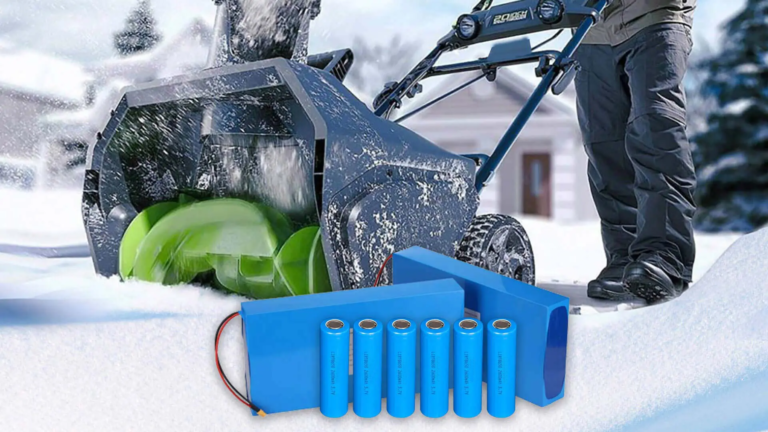
- Cylindrical lithium cells (18650, 21700, etc.)
- Polymer lithium batteries
- Prismatic lithium cells
Although their shapes and packaging are different, they share the same electrochemical principle. All lithium batteries require protection against:
- Overcharging
- Over-discharging
- Excessive current
- High temperature
- Short circuits
The main differences come from the battery structure and application requirements.
Cylindrical Lithium Cells
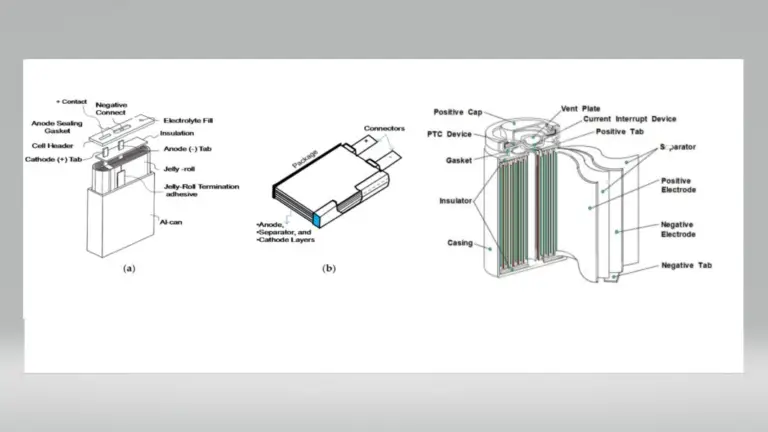
Cylindrical cells use a metal casing and usually have stronger physical protection. Many cylindrical cells are supplied as bare cells and can be configured into battery packs with external protection systems.
Polymer Lithium Batteries
Polymer lithium batteries use an aluminum-plastic film package. Due to their soft packaging structure, they require external protection circuits to ensure safe operation.
3. What Is a PCM Protection Board?
A PCM is mainly used for single-cell lithium batteries, such as polymer lithium batteries and some protected cylindrical cells.
Its functions are relatively simple:
Basic Safety Protection
The PCM monitors battery voltage and current. When abnormal conditions occur, it disconnects the circuit to prevent damage.
Main Features:
- Designed mainly for single-cell lithium batteries (3.7V nominal voltage)
- Provides overcharge, over-discharge, over-current, and short-circuit protection
- Compact size and low cost
- Limited monitoring capability
- Usually without advanced balancing function
PCM is suitable for small electronic products and low-power battery applications.
4. What Is a BMS?
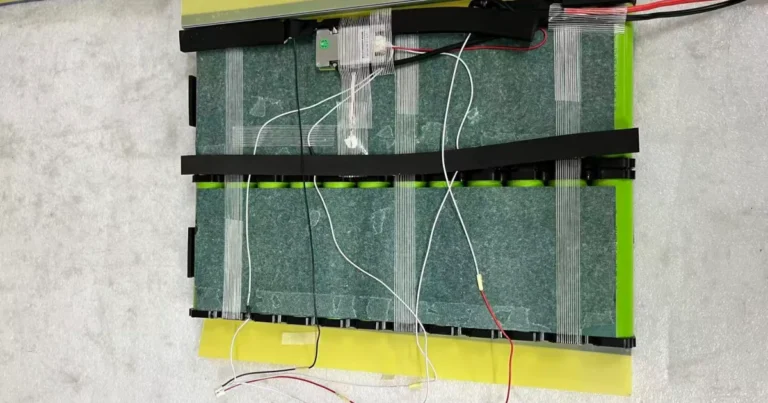
A BMS is an advanced battery management system designed for multi-cell battery packs, especially 2S or higher series configurations.
It is widely used in:
- Energy storage systems
- Electric vehicles
- Industrial equipment
- Robotics
- High-power battery packs
Main Functions of BMS:
1. Individual Cell Monitoring
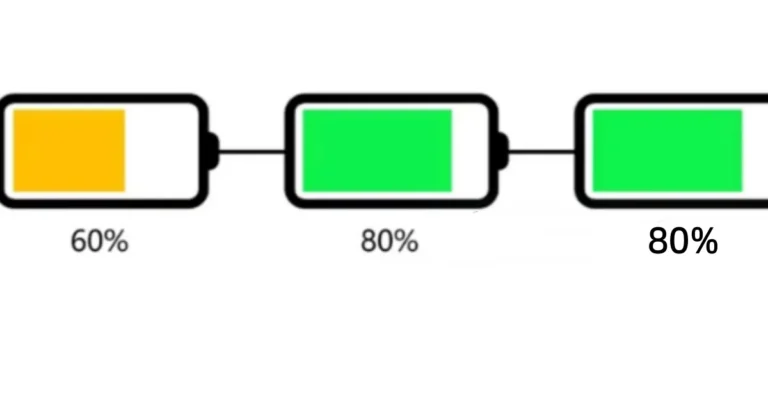
BMS monitors each cell voltage separately to identify differences between cells.
2. Cell Balancing
During battery operation, cell voltage differences may increase. BMS can balance individual cells to improve battery consistency and extend cycle life.
3. Temperature Management
BMS uses temperature sensors to monitor battery conditions and provide protection under abnormal temperature conditions.
4. High Current Management
With advanced control circuits, BMS can support high-power charging and discharging applications.
5. Intelligent Communication
Advanced BMS solutions can provide:
- Battery status monitoring
- Data communication
- Fault alarms
- Remaining capacity estimation
- Charging and discharging control
5. Key Differences Between PCM and BMS
| Item | PCM Protection Board | BMS |
|---|---|---|
| Main Application | Single lithium battery | Multi-cell battery pack |
| Protection Function | Basic safety protection | Complete battery management |
| Cell Monitoring | Total voltage monitoring | Individual cell monitoring |
| Cell Balancing | Usually unavailable | Available |
| Temperature Control | Basic or limited | Advanced monitoring |
| Communication | Usually unavailable | Supported |
| Application | Small devices | EV, ESS, industrial battery packs |
6. How to Choose Between PCM and BMS?
For single-cell lithium batteries, such as polymer lithium batteries, a PCM protection board is usually sufficient.
For multi-cell lithium battery packs, especially applications requiring high power, long cycle life, and reliable operation, a BMS is recommended.
Using multiple single-cell protection boards instead of a proper BMS for series-connected battery packs is not recommended, as it may cause protection conflicts and safety risks.
LNC Battery Protection Solutions
LNC provides customized lithium battery solutions, including polymer lithium batteries, cylindrical battery packs, and OEM battery pack solutions with suitable protection systems.
We can customize battery packs with:
- PCM protection boards
- Smart BMS systems
- Different voltage and capacity configurations
- Customized connectors and structures
Contact LNC for professional battery solutions and OEM support.