Lithium-ion battery self-discharge rate is an important factor affecting energy retention, storage stability, and long-term operational reliability. In electric vehicles, renewable energy storage systems, industrial backup power equipment, and portable electronics, excessive self-discharge can reduce available battery capacity and shorten service life.
As Lithium-ion battery technology continues evolving, controlling self-discharge has become a critical objective for battery manufacturers and energy system engineers. Effective self-discharge management improves battery storage efficiency, enhances cycle stability, and reduces long-term energy loss during inactive periods.
Explore LNC Batteries Company specialize in advanced battery solutions, with expertise in Lithium-ion technologies, including LiFePO4, Li-ion, Li-polymer, as well as Lithium batteries like LiMnO2 and LiSOCl2, and Na-ion batteries. Quality guaranteed.
Understanding Lithium-Ion Battery Self-Discharge
Self-discharge refers to the gradual loss of stored energy inside a battery even when the battery is not connected to an external load.
Lithium-ion batteries naturally experience internal chemical reactions that slowly consume stored electrical energy over time.
The self-discharge rate formula can be expressed as:
Self-Discharge Rate (%)=Initial CapacityInitial Capacity−Remaining Capacity×100
Although Lithium-ion batteries generally have lower self-discharge rates than many traditional battery chemistries, uncontrolled internal reactions may still significantly affect long-term storage performance.
Main Causes of Lithium-Ion Battery Self-Discharge
Several internal and external factors contribute to battery self-discharge behavior.
Internal Chemical Reactions
Electrochemical side reactions inside battery cells continuously consume active lithium ions during storage.
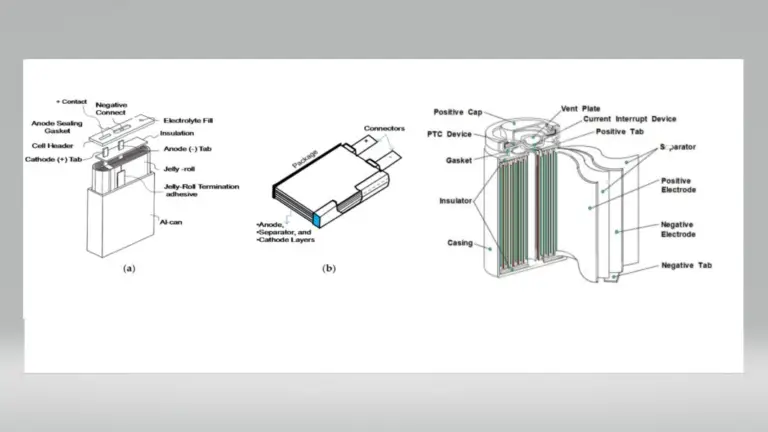
These reactions may occur between electrodes, electrolytes, and impurities inside the battery structure.
Impurities in Battery Materials
Metal contaminants and manufacturing impurities may create microscopic conductive pathways inside battery cells.
These pathways accelerate parasitic reactions and increase energy loss during storage.
Electrolyte Instability
Electrolyte decomposition gradually affects battery stability and increases self-discharge behavior over time.
High temperatures and prolonged storage conditions often accelerate electrolyte aging.
Explore LNC Batteries Company specialize in advanced battery solutions, with expertise in Lithium-ion technologies, including LiFePO4, Li-ion, Li-polymer, as well as Lithium batteries like LiMnO2 and LiSOCl2, and Na-ion batteries. Quality guaranteed.
Temperature Influence on Self-Discharge Rate
Temperature has a major impact on Lithium-ion battery self-discharge performance.
High Temperature Accelerates Self-Discharge
Elevated temperatures increase internal chemical activity and accelerate side reactions inside the battery cell.
As reaction speed increases, stored energy loss becomes more significant.
The heat generation relationship is:
Heat Generation (Q)=I2×R×t
Higher temperatures also increase internal resistance growth and electrolyte decomposition risk.
Low Temperature Slows Chemical Activity
Low-temperature environments generally reduce chemical reaction speed and slow self-discharge behavior.
However, extremely low temperatures may affect electrolyte conductivity and battery structural stability under certain storage conditions.
Maintaining moderate storage temperatures is important for long-term battery preservation.
Electrode Material Effects on Self-Discharge
Battery electrode materials strongly influence self-discharge characteristics.
Cathode Material Stability
Cathode materials with stable crystal structures help reduce unwanted side reactions during storage.
Different Lithium-ion chemistries provide varying self-discharge performance depending on their electrochemical stability.
LiFePO4 batteries are widely recognized for stable long-term storage characteristics and strong thermal safety performance.
Anode Surface Reactions
The anode surface plays a major role in self-discharge behavior.
Unstable anode reactions may consume active lithium ions and gradually reduce battery capacity during storage.
Solid Electrolyte Interphase Layer Stability
The solid electrolyte interphase layer protects the anode surface and helps control parasitic chemical reactions.
A stable SEI layer reduces lithium loss and improves long-term energy retention capability.
Manufacturing Quality and Self-Discharge Control
Battery production quality directly affects self-discharge performance.
Moisture and Contamination Control
Moisture contamination inside Lithium-ion batteries may trigger unwanted chemical reactions and accelerate electrolyte decomposition.
Strict manufacturing environment control helps improve battery storage stability.
Electrode Coating Uniformity
Uniform electrode coating improves current distribution and reduces localized electrochemical stress inside battery cells.
This helps minimize abnormal self-discharge behavior.
Cell Sealing Technology
Effective sealing prevents moisture and air infiltration during long-term storage.
Improved sealing technology enhances battery reliability and energy retention performance.
Explore LNC Batteries Company specialize in advanced battery solutions, with expertise in Lithium-ion technologies, including LiFePO4, Li-ion, Li-polymer, as well as Lithium batteries like LiMnO2 and LiSOCl2, and Na-ion batteries. Quality guaranteed.
Methods for Reducing Lithium-Ion Battery Self-Discharge
Several technical strategies are widely used to minimize self-discharge rates.
Optimize Electrolyte Formulation
Advanced electrolyte additives improve chemical stability and reduce internal side reactions.
Improved electrolyte chemistry also enhances high-temperature storage performance.
Improve Electrode Material Purity
High-purity raw materials reduce contamination-related micro-reactions inside battery cells.
Material purification helps improve battery consistency and long-term stability.
Use Intelligent Battery Management Systems
Battery management systems monitor voltage, temperature, and storage conditions continuously.
Intelligent protection systems help prevent abnormal discharge behavior during long-term storage.
Maintain Proper Storage Conditions
Moderate storage temperature and controlled humidity significantly reduce battery degradation during inactive periods.
Partial state-of-charge storage conditions are also commonly used to improve long-term battery preservation.
Self-Discharge Testing Methods
Battery self-discharge testing helps evaluate long-term storage stability and manufacturing quality.
Open Circuit Voltage Monitoring
Open circuit voltage measurements are commonly used to monitor voltage decline during storage periods.
Voltage drop data helps estimate battery self-discharge behavior.
Capacity Retention Analysis
Battery capacity is periodically measured after storage intervals to determine energy retention capability.
The capacity retention equation remains:
Capacity Retention (%)=Initial CapacityRemaining Capacity×100
This method provides important information regarding long-term battery aging and storage performance.
Accelerated High-Temperature Storage Testing
High-temperature storage testing accelerates internal chemical reactions and helps predict long-term self-discharge trends more efficiently.
These tests are widely used during battery development and quality verification processes.
Future Trends in Self-Discharge Reduction Technology
Future Lithium-ion battery development focuses heavily on improving long-term storage stability and reducing energy loss.
Advanced solid-state electrolytes, high-purity electrode materials, optimized SEI layer technologies, and intelligent battery monitoring systems are expected to significantly improve future self-discharge performance.
At the same time, Na-ion batteries are attracting increasing attention for large-scale energy storage applications due to their promising storage stability and material sustainability advantages.