Lithium-ion battery cycle life testing is a critical process for evaluating long-term battery durability, charging stability, and capacity retention. As Lithium-ion batteries are widely used in electric vehicles, renewable energy storage systems, industrial equipment, and portable electronics, accurate cycle life testing methods help manufacturers and engineers determine battery reliability under real operating conditions.
Battery cycle life directly affects maintenance costs, operational efficiency, and overall system lifespan. Standardized testing procedures ensure that battery performance data remains consistent, repeatable, and comparable across different applications and cell chemistries.
Explore LNC Batteries Company specialize in advanced battery solutions, with expertise in Lithium-ion technologies, including LiFePO4, Li-ion, Li-polymer, as well as Lithium batteries like LiMnO2 and LiSOCl2, and Na-ion batteries. Quality guaranteed.
What Is Lithium-Ion Battery Cycle Life
Cycle life refers to the number of complete charge and discharge cycles a Lithium-ion battery can perform before its capacity decreases to a specified percentage of the original rated capacity.
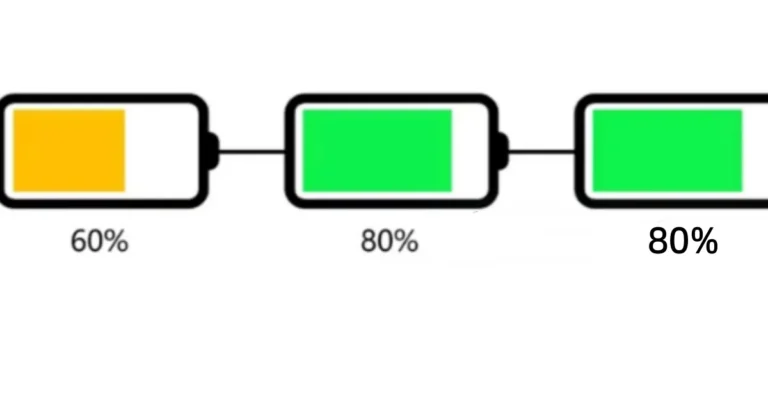
Most battery standards define end-of-life when the remaining capacity falls to approximately 80% of the initial capacity.
The capacity retention formula is commonly expressed as:
Capacity Retention (%)=Initial CapacityCurrent Capacity×100
Cycle life testing helps determine how battery materials degrade over time under repeated charging and discharging conditions.
Standard Lithium-Ion Battery Cycle Life Testing Methods
Several internationally recognized testing procedures are used to evaluate Lithium-ion battery cycle performance.
Constant Current Charge and Discharge Testing
Constant current cycling is one of the most widely used methods in battery laboratories and manufacturing facilities.
During testing, the battery is charged and discharged using a fixed current rate under controlled environmental conditions. The battery capacity is measured after each cycle to monitor performance degradation.
The charging current formula is:
Charging Current (A)=Battery Capacity (Ah)×C-Rate
This method provides stable and repeatable cycle life data for different Lithium-ion chemistries.
Constant Current Constant Voltage Charging Method
Most Lithium-ion batteries use the CC-CV charging process during cycle testing.
The charging procedure includes two stages:
- Constant current charging until the battery reaches the upper voltage limit
- Constant voltage charging while current gradually decreases
This method closely simulates real-world charging behavior and helps evaluate charging efficiency and long-term stability.
High Temperature Cycle Testing
Elevated temperature testing is used to accelerate battery aging and evaluate thermal stability.
High temperatures increase chemical side reactions inside the battery, which may accelerate electrolyte decomposition, electrode degradation, and capacity loss.
Battery laboratories often perform testing under different temperature environments to analyze thermal impact on cycle life.
Explore LNC Batteries Company specialize in advanced battery solutions, with expertise in Lithium-ion technologies, including LiFePO4, Li-ion, Li-polymer, as well as Lithium batteries like LiMnO2 and LiSOCl2, and Na-ion batteries. Quality guaranteed.
Key Parameters in Cycle Life Testing
Several operational parameters significantly influence Lithium-ion battery cycle life results.
Charge and Discharge C-Rate
Higher charging and discharging rates increase internal heat generation and mechanical stress inside battery electrodes.
Excessive C-rate conditions may accelerate capacity fading and reduce overall cycle life.
The battery power relationship can be described as:
Power (W)=Voltage (V)×Current (A)
Optimizing charging rates is essential for maintaining long-term battery stability.
Depth of Discharge
Depth of discharge refers to the percentage of battery capacity used during each cycle.
Deeper discharge cycles generally produce greater electrode stress and may shorten battery lifespan.
Shallow cycling conditions often improve long-term capacity retention.
Environmental Temperature
Temperature strongly affects Lithium-ion battery chemistry and aging speed.
Low temperatures may reduce ion mobility and charging efficiency, while high temperatures accelerate material degradation and internal resistance growth.
Accurate environmental control is therefore essential during cycle testing procedures.
Common International Testing Standards
Different industries use various international standards for Lithium-ion battery cycle life evaluation.
IEC Testing Standards
IEC standards provide internationally recognized guidelines for battery performance, safety, and cycle testing procedures.
These standards define testing temperatures, charge-discharge conditions, voltage limits, and performance evaluation methods.
UL Safety Testing Procedures
UL standards focus heavily on operational safety during battery cycling, thermal exposure, and abuse conditions.
Cycle testing under safety standards helps verify battery stability during extended operation.
Automotive Battery Testing Requirements
Electric vehicle batteries undergo stricter cycle life testing because automotive applications require long service life, high safety margins, and stable performance under dynamic operating conditions.
Automotive testing often includes vibration, thermal cycling, fast charging, and high-power discharge conditions.
Factors Affecting Lithium-Ion Battery Cycle Life
Multiple internal and external factors influence the final cycle life performance of Lithium-ion batteries.
Electrode Material Stability
Cathode and anode material quality directly determine battery aging characteristics.
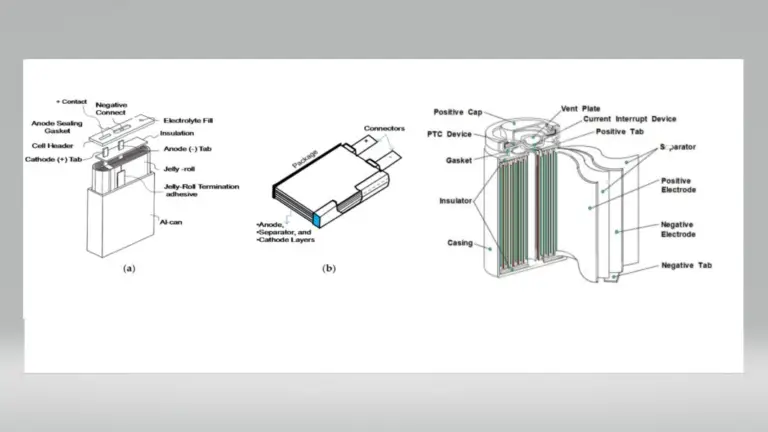
Advanced electrode materials improve structural stability during repeated lithium-ion insertion and extraction processes.
Electrolyte Degradation
Electrolyte decomposition gradually increases internal resistance and reduces battery efficiency during long-term cycling.
Improved electrolyte formulations help extend cycle life and maintain charging stability.
Mechanical Stress Inside Battery Cells
Repeated expansion and contraction of electrode materials create mechanical stress during cycling.
Over time, microscopic structural damage may reduce conductivity and accelerate capacity degradation.
Explore LNC Batteries Company specialize in advanced battery solutions, with expertise in Lithium-ion technologies, including LiFePO4, Li-ion, Li-polymer, as well as Lithium batteries like LiMnO2 and LiSOCl2, and Na-ion batteries. Quality guaranteed.
Future Trends in Lithium-Ion Battery Cycle Life Testing
As battery technology continues evolving, cycle life testing methods are becoming more advanced and data-driven.
Artificial intelligence, automated battery management systems, and real-time diagnostic technologies are improving cycle life prediction accuracy.
Solid-state batteries, silicon anodes, and Na-ion batteries are also creating new testing requirements due to their different electrochemical behaviors and degradation mechanisms.
Future testing standards will likely place greater emphasis on fast charging durability, thermal stability, and large-scale energy storage performance under real-world operating conditions.