Lithium Battery Material Technology Routes: A Deep Dive – Who Will Lead the Next-Generation Energy Storage Market?
Introduction
In the lithium battery industry, “materials are king” is an eternal truth. Different cathode, anode, and electrolyte formulations directly determine the battery’s energy density, safety, cost, and application scenarios. This article will conduct a deep review of the current mainstream raw material technical routes, analyze the advantages, disadvantages, and market patterns of each route, and help you understand the core competition logic of the lithium battery industry.
1. Cathode Materials: Ternary High-Nickel vs Lithium Iron Phosphate – The Escalating Route Competition
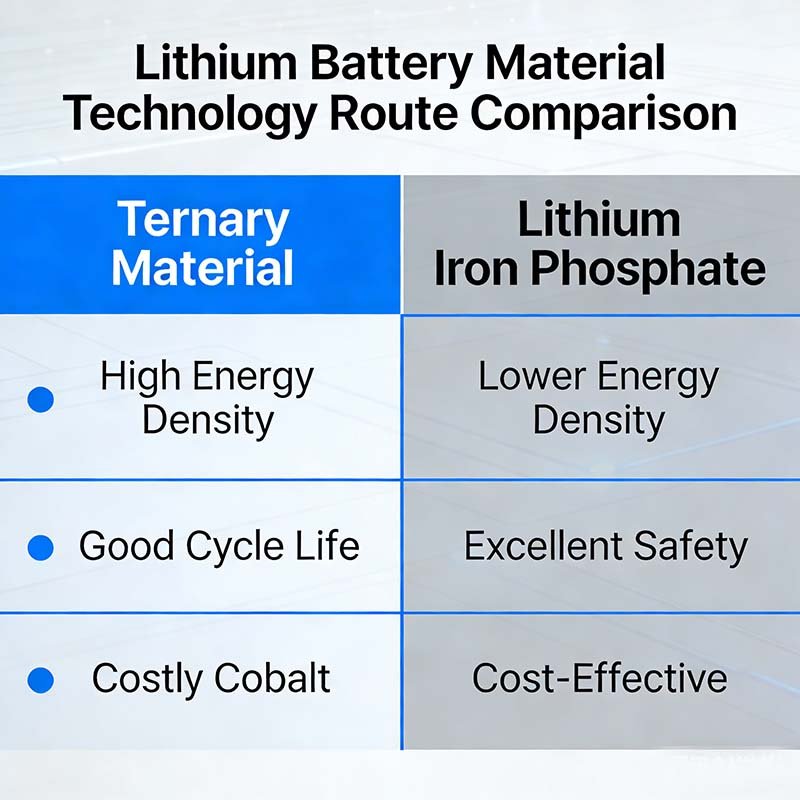
The current cathode material market presents a pattern of “duopoly between ternary materials and lithium iron phosphate“. The core differences between the two are as follows:
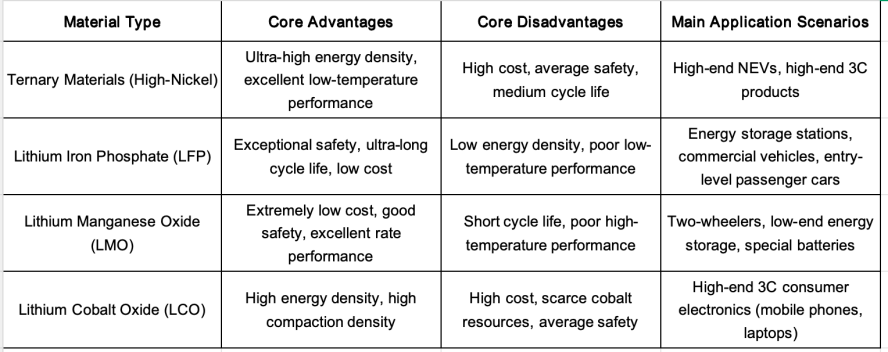
Industry Trends: Ternary materials are developing towards high nickelization (NCM811, NCM9 series) to further improve energy density. Meanwhile, lithium iron phosphate is making up for its energy density shortcomings through modification technologies such as Lithium Manganese Iron Phosphate (LMFP), becoming a popular choice for both energy storage and power batteries.
2. Anode Materials: Graphite Dominance, Silicon-Based Materials Usher in the Next Revolution
Currently, graphite materials account for over 90% of the anode market, mainly due to their optimal comprehensive performance:
Natural Graphite: Low cost and high capacity, but with slightly inferior cycle performance and rate performance. It is mostly used in mid-to-low-end power batteries and energy storage systems.
Artificial Graphite: Long cycle life, excellent rate performance, and high consistency. It is the preferred choice for high-end power batteries and 3C batteries, and also the absolute mainstream in the current market.
Next-Generation Direction: Silicon-based anode materials have a theoretical capacity more than 10 times that of graphite, making them the core breakthrough for improving battery energy density. Currently, silicon-carbon anodes have been applied in small batches in high-end electric vehicles and will become the core growth track for anode materials in the future.
3. Electrolytes & Separators: Details Determine Performance, Safety is the Core Bottom Line
Electrolytes: Lithium Hexafluorophosphate (LiPF₆) remains the absolute mainstream lithium salt, while new lithium salts (such as LiFSI) are gradually penetrating the market. The ratio of organic solvents directly affects the battery’s low-temperature performance and fast-charging performance, and additives are key to improving battery cycle life and suppressing gas generation.
Separators: PE/PP-based separators are still the market mainstream. Coated separators (ceramic-coated, PVDF-coated) have become standard for power batteries by enhancing thermal stability and safety. The development of solid-state batteries will also drive the technological iteration of solid electrolyte separators.
4. Auxiliary Materials: The “Invisible Champions” Easily Overlooked
Many people only focus on the main cathode and anode materials, but overlook the key role of auxiliary materials:
Binders: PVDF (Polyvinylidene Fluoride) is the mainstream binder for cathodes, while SBR (Styrene-Butadiene Rubber) is mostly used for anodes. They directly affect the structural stability of the electrode sheets.
Conductive Agents: Carbon black, carbon nanotubes, and VGCF are used to improve the conductive performance of electrodes and reduce battery internal resistance, making them core materials for high-rate batteries.
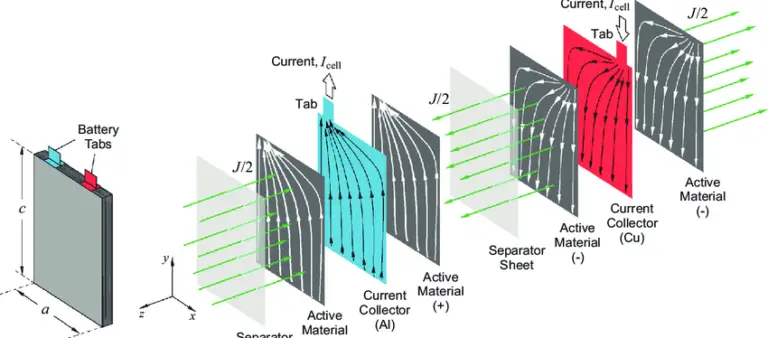
Current Collectors: Aluminum foil is used for cathodes and copper foil for anodes. As the carrier for collecting battery current, their thickness and purity directly affect the battery’s energy density and safety.
Conclusion
The technological iteration of lithium battery raw materials is the core driving force for the development of the new energy industry. From ternary to lithium iron phosphate, and from graphite to silicon-based materials, every material breakthrough will bring a leap in battery performance.