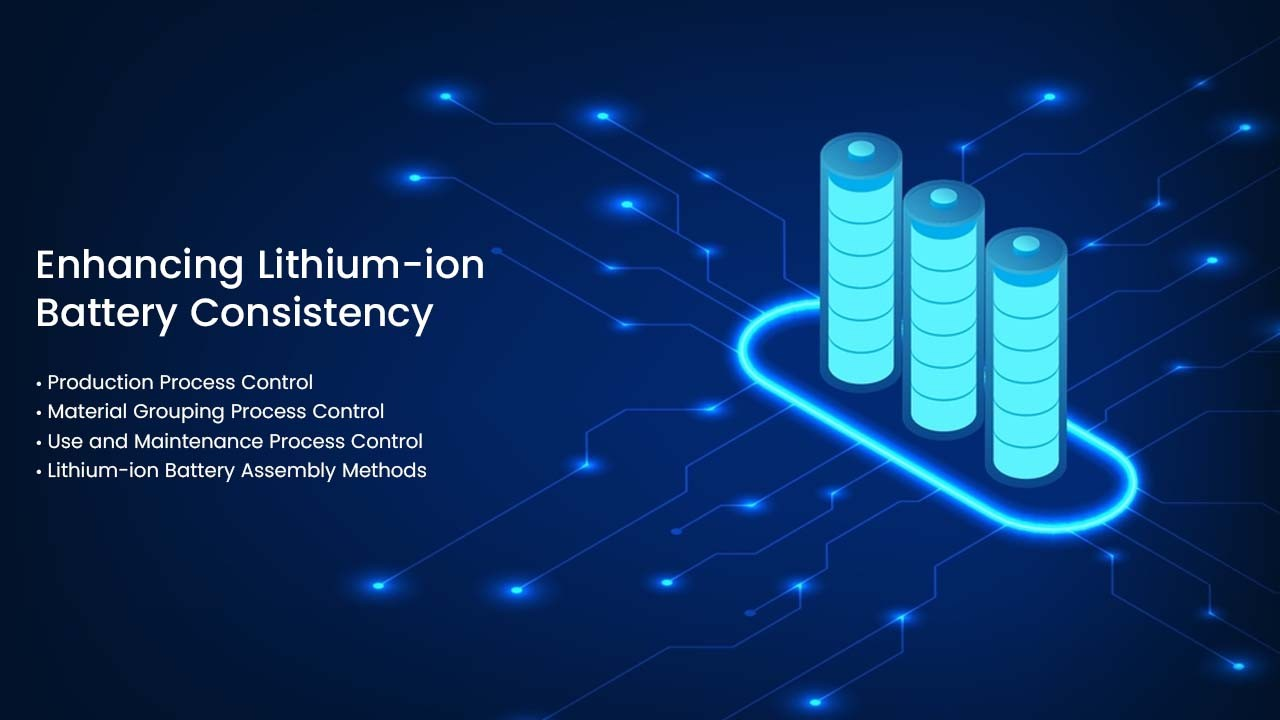
Battery consistency plays a critical role in determining the lifespan and performance of a battery pack. Consistency refers to how uniform the individual cells within a pack are in terms of capacity, internal resistance, voltage, and other parameters. Here’s how inconsistencies impact the lifespan of a battery pack:
1. Voltage Imbalance
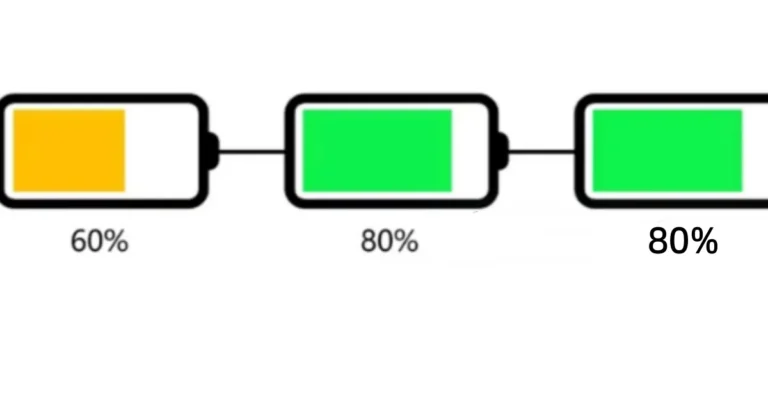
Impact: If cells have different capacities or state-of-charge (SoC) levels, they will charge and discharge at different rates. This leads to voltage imbalances.
Consequence: Over time, weaker cells may become overcharged or excessively discharged, accelerating degradation and reducing the pack’s overall lifespan.
2. Uneven Heat Generation
Impact: Inconsistent internal resistances among cells cause uneven heat generation during charging and discharging.
Consequence: Hotter cells degrade faster due to thermal stress, which may also propagate to neighboring cells, further shortening the lifespan of the entire pack.
3. Capacity Mismatch
Impact: If some cells have lower capacity than others, the pack’s usable capacity is limited by the weakest cell.
Consequence: The pack reaches the discharge cut-off earlier than it should, effectively reducing its usable energy and efficiency.
4. Accelerated Aging of Weaker Cells
Impact: Weaker cells in the pack experience more stress because they hit their limits (voltage or SoC) more frequently during operation.
Consequence: These cells degrade faster, causing a cascading effect where the pack loses capacity and performance more rapidly.
5. Safety Risks
Impact: Inconsistent cells can lead to overcharging, overheating, or even thermal runaway in extreme cases.
Consequence: Reduced safety and potential failure of the battery pack.
6. Inefficient Battery Management System (BMS) Operation
Impact: The BMS has to work harder to balance inconsistent cells, which can increase energy losses and inefficiencies.
Consequence: Shorter lifespan due to frequent balancing operations and thermal stress.
How to Improve Consistency in a Battery Pack
Cell Matching During Manufacturing: Carefully match cells with similar capacities, resistances, and SoC levels to minimize inconsistencies.
Stringent Quality Control: Employ advanced testing and sorting procedures to ensure uniformity in cell performance metrics.
Active Balancing BMS: Use an active BMS to redistribute energy among cells dynamically, maintaining better balance throughout the pack’s life.
Thermal Management: Implement effective cooling solutions to ensure uniform temperature across all cells.
Regular Maintenance: Monitor and service battery packs regularly to identify and replace underperforming cells.
Conclusion
Inconsistent cells create stress and inefficiencies that significantly reduce the lifespan and performance of a battery pack. Ensuring uniformity in cell characteristics and employing advanced BMS and thermal management systems are essential to maximizing the pack’s longevity.